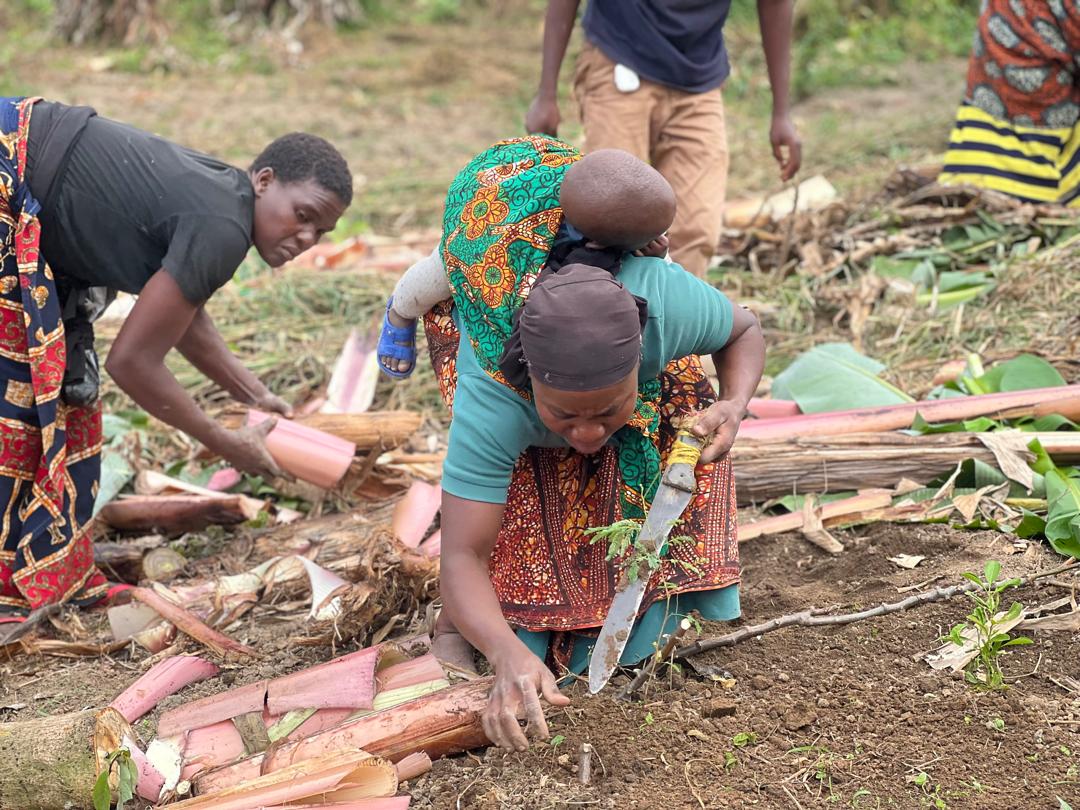
The Uluguru Mountains are one of Tanzania’s most important ecological treasures. Recognized as a global biodiversity hotspot, they form the main watershed supplying water to more than 10 million people in Morogoro, Dar es Salaam, and surrounding regions.
Yet this critical landscape is under increasing pressure. For decades, farming families in Mgeta have faced severe soil erosion, declining soil fertility, falling crop yields, and growing climate variability. These challenges have often forced farmers into a difficult trade-off: meeting today’s food needs while degrading the land that sustains tomorrow.
The MASU Project (Mgeta Agroforestry Scale-Up) shows that this trade-off is not inevitable. Through syntropic agroforestry, APOPO HeroTREEs and the Mgeta Livelihood Development Foundation (MLDF) are demonstrating that productive farming and ecological restoration can go hand in hand, protecting the watershed while strengthening farmer livelihoods.
MASU is a direct outcome of the Syntropic Agroforestry Innovation Accelerator (SAIA), an approach designed to test, refine, and scale regenerative farming systems. Through SAIA, MLDF first participated in intensive training, followed by hands-on testing under the MAP pilot project. During this phase, APOPO and partners developed FarmTree forecast models to project long-term income and ecological outcomes, assessed farmer willingness to adopt syntropic systems, and tested economic viability. Market assessments identified strong potential for coffee-based syntropic systems. Based on this evidence, a scale-up proposal was prepared and funded by Land Vorarlberg. MASU now represents the full implementation phase of this learning cycle.
Implemented in Mgeta, Uluguru Mountains (Morogoro Region) from September 2025 to August 2028, MASU aims to strengthen farming livelihoods while protecting the Uluguru watershed and biodiversity through scalable syntropic agroforestry systems.
What Is Syntropic Agroforestry?
Syntropic agroforestry is a farming method that mimics the structure and function of natural forests. Instead of planting a single crop, farmers combine food crops, tree crops such as coffee, nitrogen-fixing species that naturally improve soil fertility, and fast-growing plants that generate biomass. These are arranged in carefully planned layers and growth cycles, known as succession systems.
In Mgeta, this approach restores soil fertility, reduces erosion on steep slopes, improves water retention, increases on-farm biodiversity, diversifies income sources, and boosts overall productivity. Pilot data from the MAP project already shows higher combined yields than monoculture farming, while rebuilding soil instead of degrading it.
Farmers themselves are already observing these changes. As John Bendu, a farmer from Mgeta village, explains, “Before, we planted one crop and after heavy rain the soil was gone. In the syntropic plot, the soil remains moist and crops are healthier. I can already see the difference.”
Strong Farmer Demand and Early Results
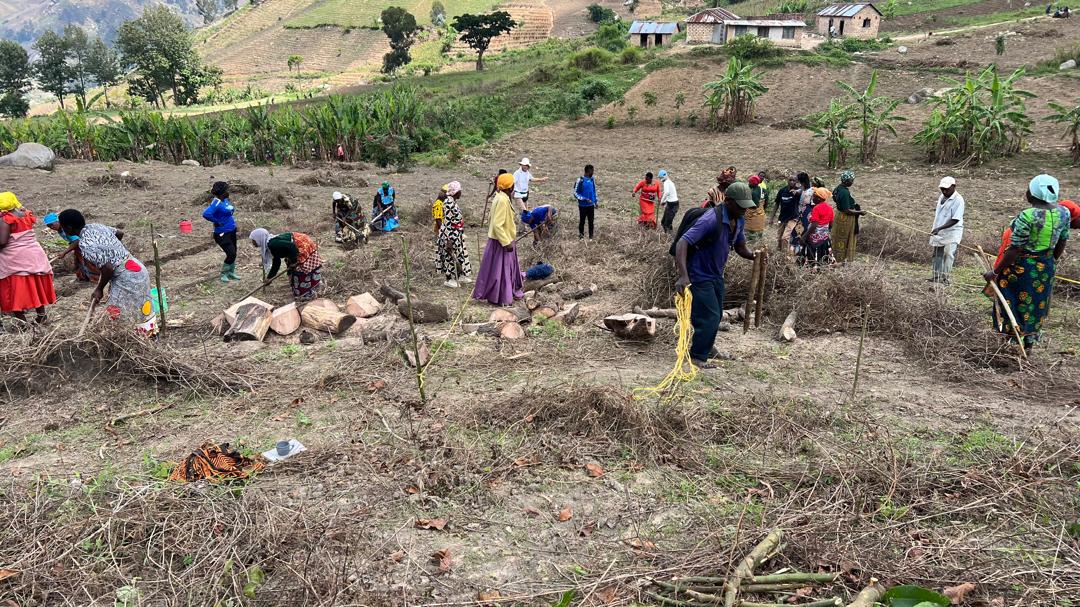
Strong results during the pilot phase generated significant interest. Over 100 farmers tested syntropic systems. Demonstration plots showed visible improvements in soil health and crop performance, and farmers reported better moisture retention and more diversified harvests.
For many, the most important shift is not only technical, but practical and long-term. As Teresia Mkwidu, a member of a local farmer group, says, “What impressed us most is that we harvest food while improving the land, not destroying it. This gives hope for our children’s future.”
Many farmers who initially observed the pilot plots are now requesting seedlings and training to establish their own systems.
Over three years, MASU will deliver:
- 43,500 trees planted
- 21 demonstration plots established
- 434 farmers trained
- 128 farmers establishing their own syntropic plots
The project will also support eight community nurseries, women-led savings groups, youth and school agroecology clubs, and local production of biochar and organic soil inputs. Through these activities, farms become active buffers that protect the watershed while building long-term rural prosperity.
Community-Led Implementation
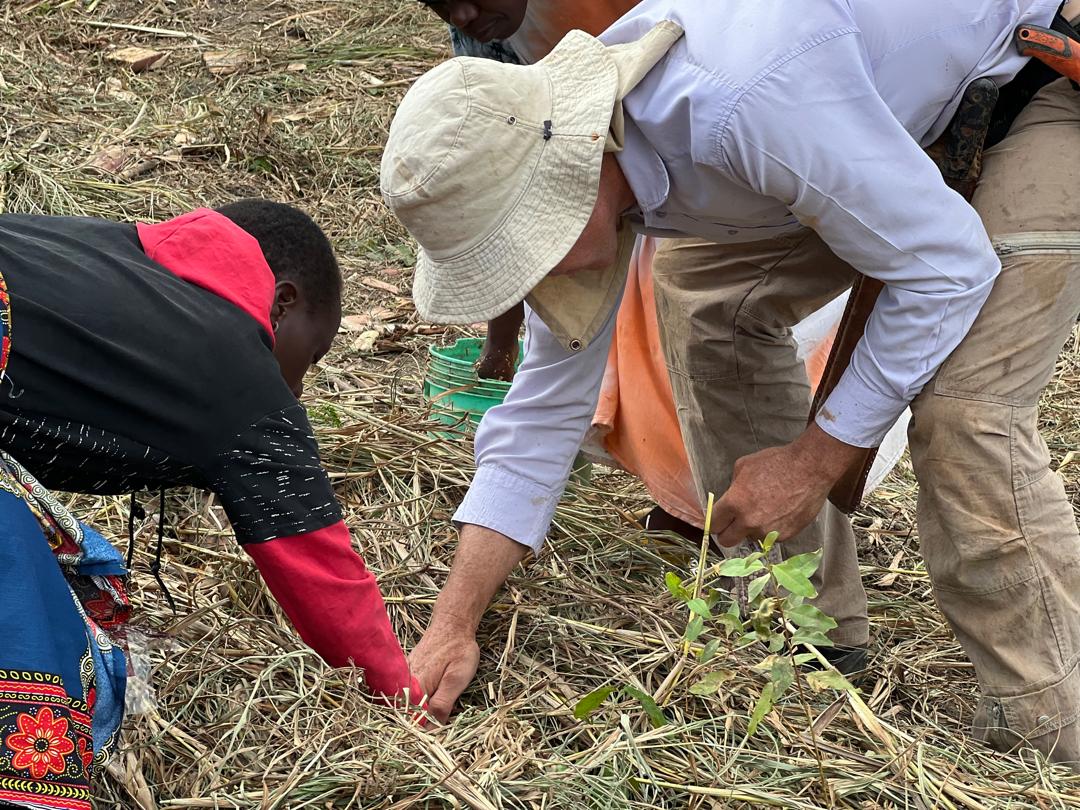
A defining strength of MASU is its community-centered implementation through MLDF, which brings deep trust, local knowledge, and long-standing experience in farmer organization, livelihood development, and youth and women empowerment.
“The community response has been very strong,” says Johakimu Masenda, MLDF Project Officer. “Farmers see real results. Better soil, more crops, and less erosion. MASU allows us to scale what has already proven successful.”
Together, APOPO HeroTREEs and MLDF are establishing demonstration farms, delivering hands-on training, strengthening agricultural value chains, and supporting farmers to transition toward regenerative systems that increase resilience to climate change.
A Data-Driven Climate Action Model
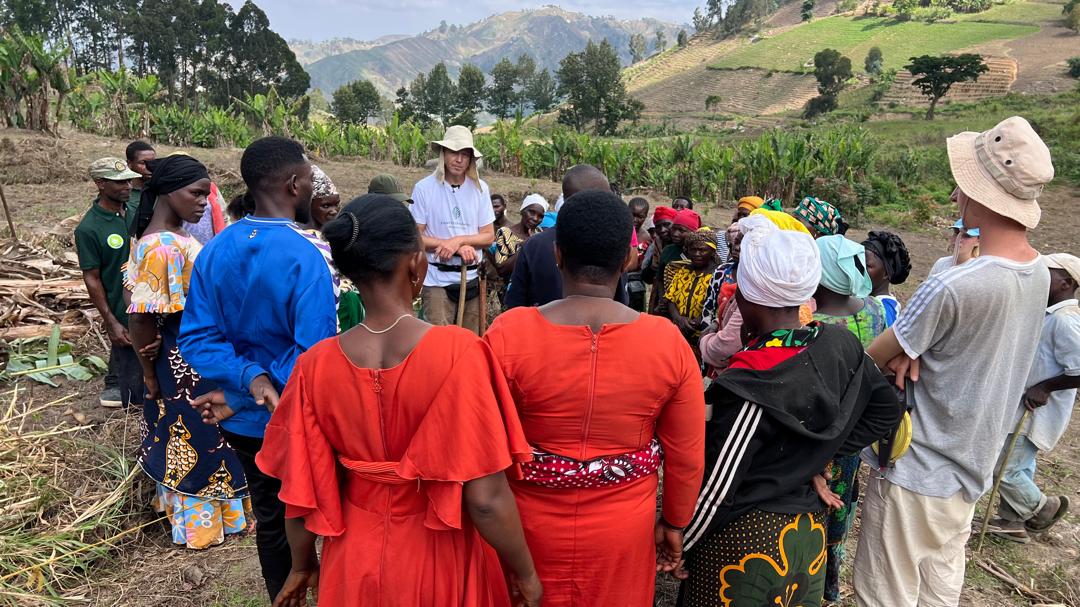
MASU is also grounded in data and continuous learning. Through SAIA, field implementation is paired with digital monitoring tools that track soil health, water retention, carbon sequestration, and changes in farm income. This evidence base supports adaptive management and helps unlock future climate and biodiversity finance.
By linking watershed protection, climate resilience, and rural livelihoods, MASU positions syntropic agroforestry in Tanzania as a practical pathway for safeguarding the Uluguru Mountains, while offering a scalable model for other mountain regions facing similar pressures.
Sign up here to APOPO’s Syntropic Agroforestry Newsletter for regular updates about our program.