
Medicinal and Aromatic Plants: Conserving Health, Heritage and Livelihoods
3 March 2026 – This year’s World Wildlife Day theme, Medicinal and Aromatic Plants: Conserving Health, Heritage and Livelihoods, highlights the deep connections between biodiversity, traditional knowledge, and sustainable development. In Tanzania’s Morogoro Region, APOPO’s HeroTREEs program offers a practical example of how these connections can take root in the field.
In the Mgeta highlands, farmers are restoring land affected by soil erosion, declining fertility, and shifting rainfall patterns. Through syntropic agroforestry systems, they are rebuilding soil health by planting diverse layers of trees and crops that mimic natural forest structures.
Within these systems, medicinal and aromatic plants grow alongside fruit trees, native timber species, and staple crops. By integrating species valued for both their ecological function and traditional uses, HeroTREEs demonstrates how conserving plant diversity can simultaneously support community health, cultural heritage, and income generation.

Integrating Medicinal and Aromatic Plants into Syntropic Systems
According to HeroTREEs Officer Aron Katosho, medicinal and aromatic crops are intentionally integrated into systems in Mgeta, as well as in other syntropic agroforestry plots in Tanzania.
“These aromatic species are part of the syntropic design in Mgeta, layered within multi-strata systems alongside fruit trees, native timber species, and food crops,” he explains.
The species currently integrated include:
- Cinnamon
- Turmeric
- Cardamom
- Black pepper
- Ginger
- Lemongrass
- Lime
Many of these crops are well suited to partial shade and thrive within layered agroforestry systems. Rather than cultivating single crops in monoculture fields, farmers develop multi-strata systems that combine spices, fruit trees, staple crops, and native timber species.
“This diversity supports soil regeneration, improves water retention, and reduces vulnerability to climate variability,” Aron says. “At the same time, it creates opportunities for income from high-value crops that can be harvested without degrading the land.”
Plants Rooted in Cultural Knowledge
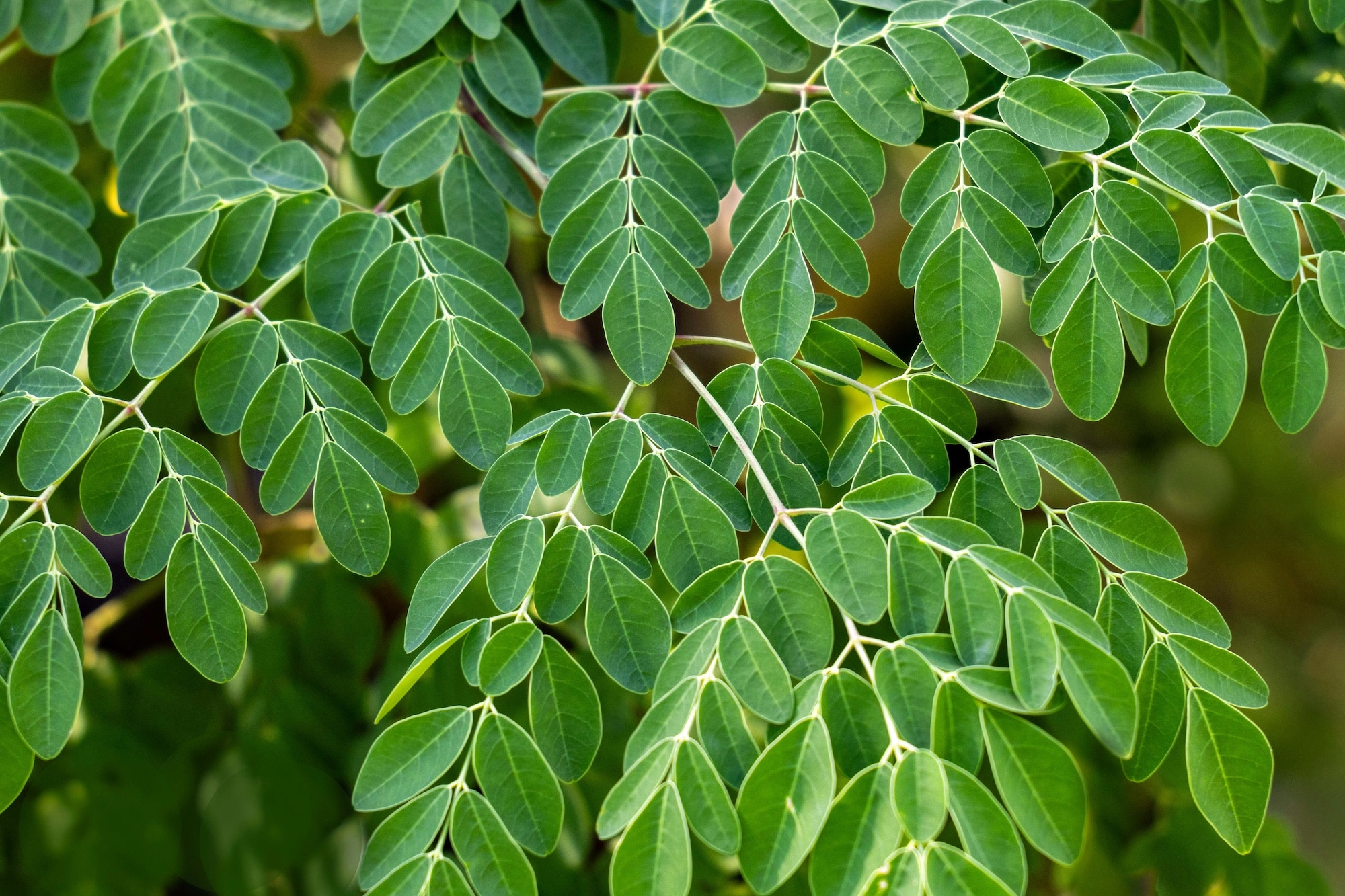

In addition to spice crops, HeroTREEs demonstration plots include medicinal species such as:
- Aloe vera
- Neem
- Soursop
- Castor oil plant
- Moringa
- Noni
Many of these plants are widely recognized in Tanzania and across East Africa for traditional uses.
Turmeric and ginger are commonly used for digestive health and inflammation. Neem is valued for skin treatments and natural pest control. Moringa is consumed for nutrition and immune support. Aloe vera is used for wound care and skin conditions. Lemongrass is brewed into herbal teas associated with relaxation and fever relief.
While not all of these species are formally researched within the program, farmers and communities already recognize their value through long-standing knowledge systems. By cultivating them within agroforestry systems, this knowledge continues to be practiced alongside land restoration.
Supporting Livelihoods Through Diversification
Medicinal and aromatic crops also contribute directly to income generation.
Farmers participating in HeroTREEs have already generated income from turmeric and ginger grown within syntropic systems. These crops offer strong market demand and can be harvested sustainably when integrated into diversified designs.
Diversification reduces economic risk. When farmers grow a mix of fruit trees, food crops, spices, and native species, they are less dependent on a single harvest or price fluctuation. This stability strengthens household resilience while encouraging long-term stewardship of the land.
Conservation Through Cultivation
The global demand for medicinal and aromatic plants can place pressure on wild populations when harvesting is unmanaged. Cultivating valuable species within agroforestry systems offers an alternative approach.
Through partnership with Dreamnature, HeroTREEs supports research into native trees with domestication potential and works to establish syntropic agroforestry food forests that integrate native and sometimes threatened species alongside food and cash crops.
In collaboration with the Sokoine University of Agriculture (SUA), the program is also planting native and threatened species such as Dalbergia melanoxylon. These efforts contribute to conservation while including native species in productive landscapes.
Additionally, partnership with Reforest Africa strengthens the emphasis on including native trees in syntropic agroforestry systems.
By combining ecological restoration with income generation and traditional plant knowledge, HeroTREEs demonstrates how conservation and cultivation can reinforce each other.
Restoring Landscapes, Sustaining Knowledge
Medicinal and aromatic plants are more than commodities. They are part of cultural heritage, community health practices, and ecological balance.
In the Mgeta highlands and beyond, HeroTREEs shows how these plants can be integrated into regenerative agricultural systems that restore degraded land while supporting farmer livelihoods. From spices such as cardamom and black pepper to medicinal species like moringa and aloe vera, these plants contribute to diversified and resilient landscapes.