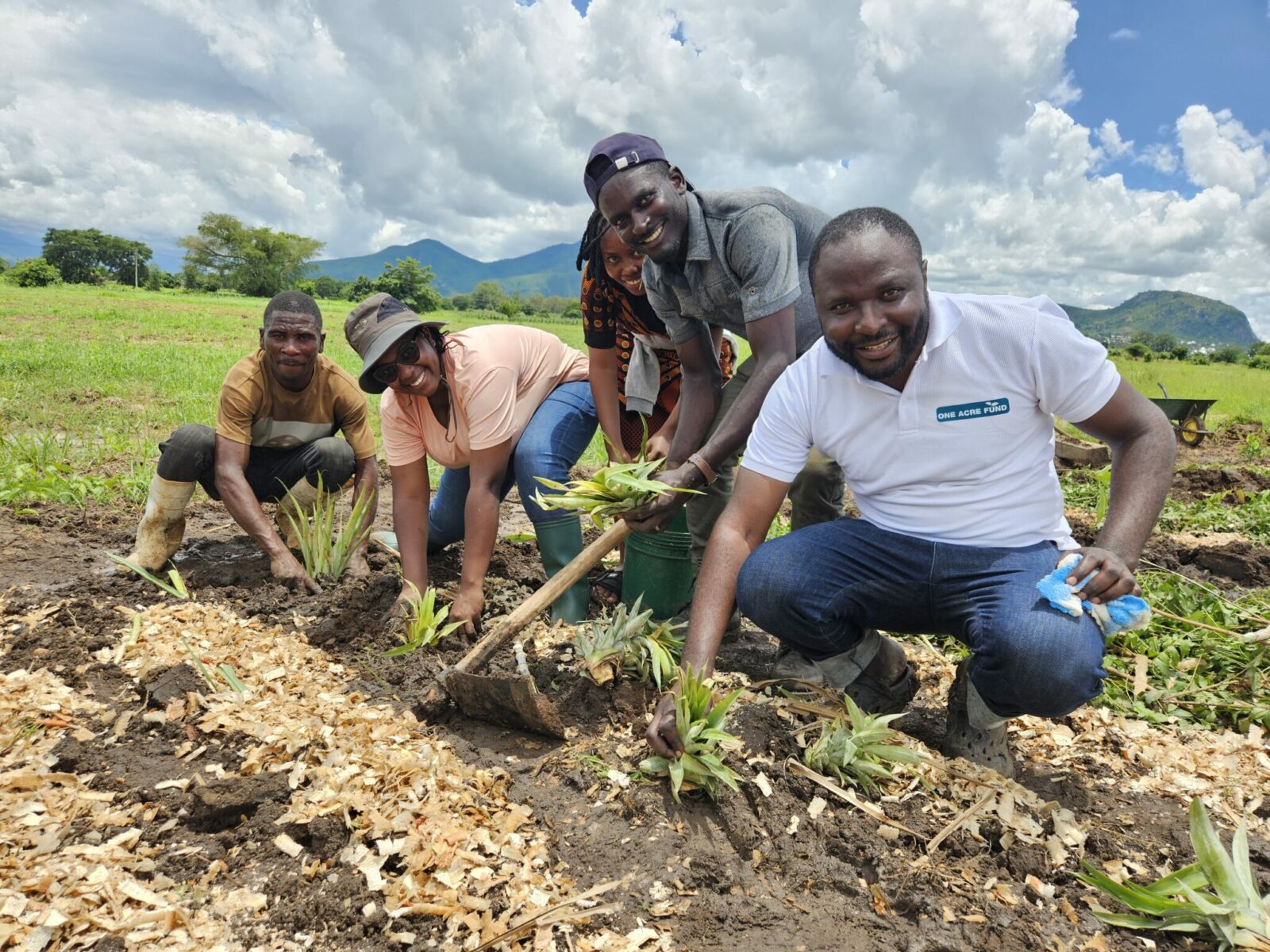
A new 6,000 m² syntropic agroforestry demonstration plot has been established at Sokoine University of Agriculture (SUA) in Morogoro, Tanzania, creating a hands-on learning environment where students, farmers, researchers, and practitioners can explore regenerative farming systems in action.
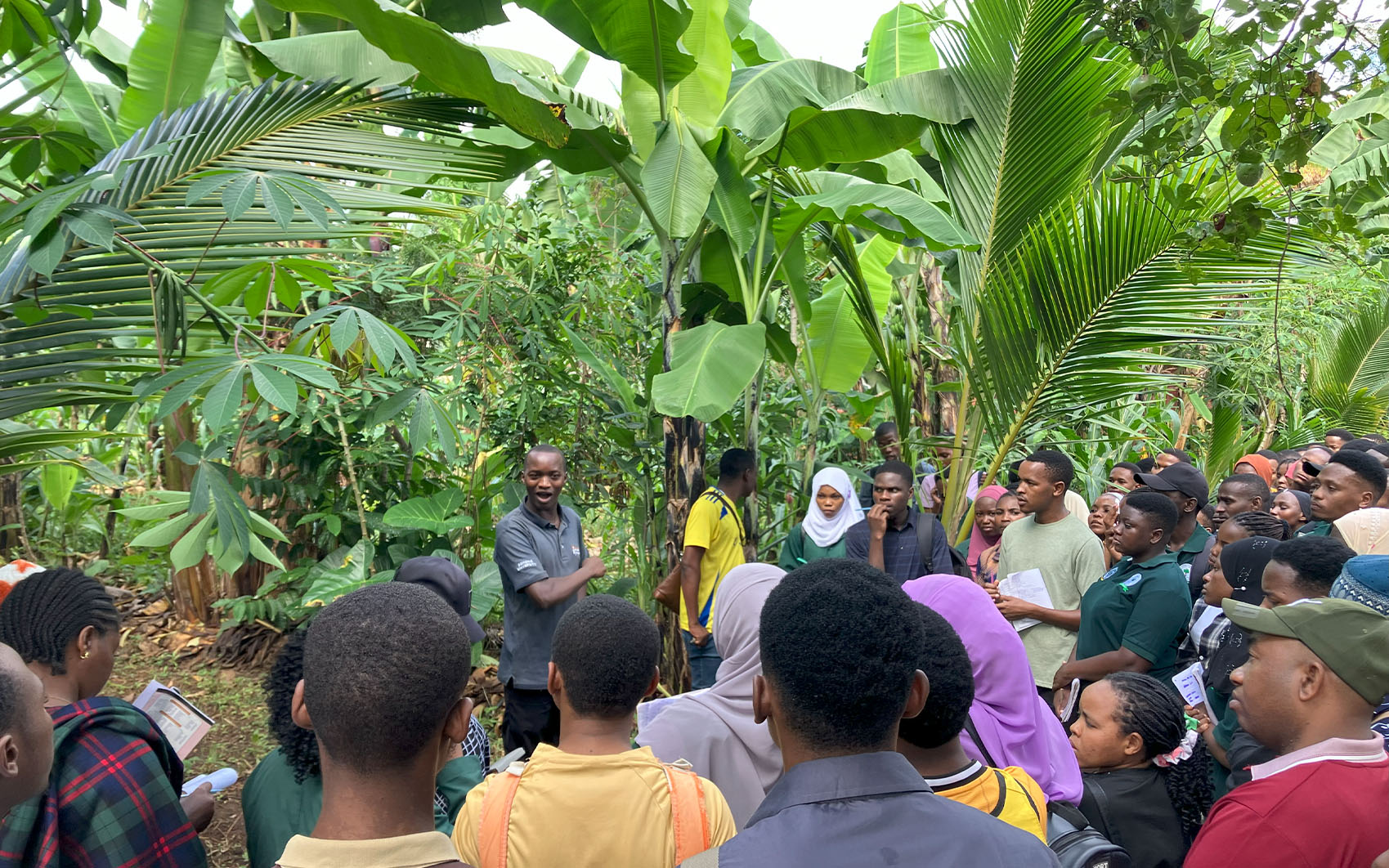
The initiative brought together 60 field practical students studying Environmental Sciences and Management and Community Development, alongside facilitators from My Birthday Tree Organisation (MBTO) and APOPO HeroTREEs. Through a combination of classroom learning and practical fieldwork, participants gained firsthand experience in the design, establishment, and management of syntropic agroforestry systems.
The new demonstration area forms part of a broader vision to develop a long-term syntropic agroforestry living lab at SUA, creating a center for training, research, and innovation in regenerative agriculture.
Learning by Doing
The activity focused on practical training in syntropic agroforestry and other sustainable land-use techniques.
Students were introduced to key principles including site preparation, planting design, species succession, biomass management, soil restoration, and ecosystem regeneration. APOPO supported the training activities, while MBTO worked closely with students throughout their field practical period to continue expanding the system on the ground.
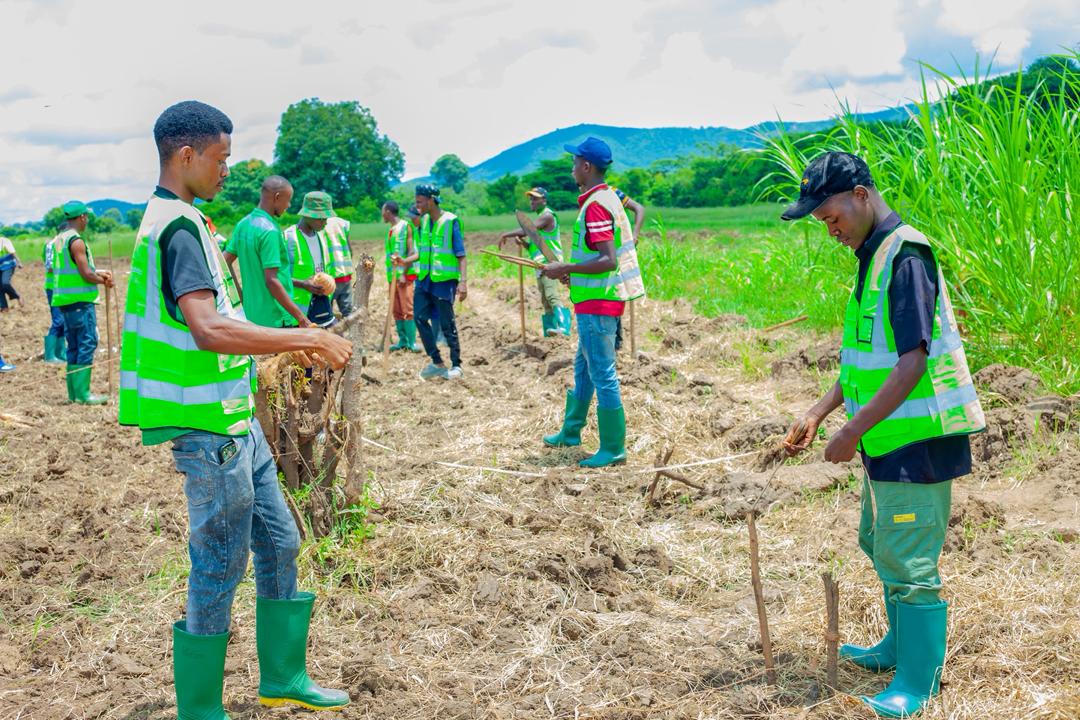
Following the training, students played an active role in establishing the 6,000 m² demonstration plot. Rather than simply participating in a planting exercise, they applied newly acquired knowledge directly in the field, gaining practical experience in implementing syntropic agroforestry systems.
The site will now serve multiple purposes, including:
- Farmer and student training
- Practical experimentation
- Applied research
- Testing syntropic agroforestry designs
- Monitoring ecological and productivity outcomes over time
Supporting Long-Term Regeneration
Alongside the main agroforestry area, MBTO and the students established dedicated biomass production plots to support future management activities.
One plot was planted with elephant grass, while another was densely planted with Gliricidia. These biomass-producing areas will provide a continuous source of organic material for future training and plot maintenance, supporting the “chop-and-drop” approach that is central to syntropic agroforestry.
By producing biomass directly on-site, the system becomes increasingly self-sustaining while improving soil fertility and supporting ecosystem regeneration.
Building a Living Laboratory for Regenerative Agriculture
The new demonstration plot is part of APOPO HeroTREEs’ longer-term ambition to transform the SUA Lugala Farm into a living laboratory for syntropic agroforestry.
The vision is to expand the cultivated area year by year, reaching 10 hectares by 2029. Once fully established, the site will be capable of hosting thousands of farmers, students, researchers, professionals, and partner organizations.
Unlike conventional training sites, the living lab will allow visitors to observe, manage, and evaluate agroforestry systems over many years. This long-term perspective is particularly important for syntropic agroforestry, where ecological processes and system performance evolve over time.
Why Demonstration Sites Matter
Syntropic agroforestry combines trees, crops, biomass plants, and ecological succession to create productive and resilient farming systems. The approach has strong potential to improve soil health, increase biodiversity, strengthen climate resilience, and create more diverse income and nutrition opportunities for farming communities.
However, it is also a knowledge-intensive approach that cannot be scaled through theory alone. Farmers, students, and practitioners need opportunities to observe systems over time, test management techniques, learn from successes and challenges, and adapt practices to local conditions. Demonstration sites provide this opportunity by turning abstract concepts into practical experience.
Over the coming years, APOPO HeroTREEs and its partners aim to generate long-term data on the impacts of syntropic agroforestry on biodiversity, climate action, nutrition, and economic returns. These insights will help strengthen regenerative farming practices in Tanzania and contribute to wider learning across the agroforestry sector.
A Growing Partnership
The collaboration between SUA students, MBTO, and APOPO demonstrates how young people can play an active role in shaping the future of agriculture.
By combining academic learning with practical field experience, students are not only developing valuable skills. They are helping to create a living demonstration system that will continue to support farmers, researchers, and future practitioners for years to come.
The 6,000 m² demonstration plot represents an important step toward a much larger vision: a vibrant 10-hectare syntropic agroforestry living lab that grows knowledge, restores ecosystems, and demonstrates how agriculture can work with nature.