
From February to April 2026, APOPO continued expanding its regenerative agriculture work in Mgeta, in Tanzania’s Uluguru Mountains, through the Mgeta Livelihood Development Foundation (MLDF) Project. During the recent rainy season, the project trained 152 farmers (170 female farmers) and 90 youth in syntropic agroforestry practices. Since the project began in 2025, a total of 282 farmers and 154 youth have now received training.
The project also established 9 demonstration plots during this rainy season and supported 45 farmers in developing their first farms. These pilot farms, averaging around 1,000 square meters each, allow farmers to test regenerative farming methods before deciding whether to expand further.
Training activities were conducted directly in the field through practical workshops and demonstration plots. Hannes Thaler from Forests4Farming worked alongside the APOPO HeroTREEs team to train local staff and support the selection of participating farmers.
Building on Earlier Agroforestry Work in Mgeta

APOPO has been working with the Mgeta Livelihood Development Foundation in the Uluguru Mountains since 2024 to introduce syntropic agroforestry systems in the region. Earlier pilot projects and training activities demonstrated strong farmer interest and encouraging early results, helping lay the foundation for the current expansion phase.
The work forms part of APOPO’s broader Syntropic Agroforestry Innovation Accelerator (SAIA), which supports the testing, refinement, and scaling of regenerative farming systems. The MLDF Project is the first SAIA initiative to move into full implementation.
Previous pilot activities in Mgeta showed that farmers were particularly interested in systems that could improve soil fertility, reduce erosion, and diversify long-term income through crops such as coffee, cocoa, cinnamon, cardamom, and macadamia.

Building Resilient Coffee Systems
This season’s activities again focused on integrating coffee plants into highly resilient and biodiverse farming systems using syntropic agroforestry principles. Rather than relying on monoculture farming, syntropic systems combine crops, trees, and natural regeneration processes to improve soil health, biodiversity, and long-term productivity.
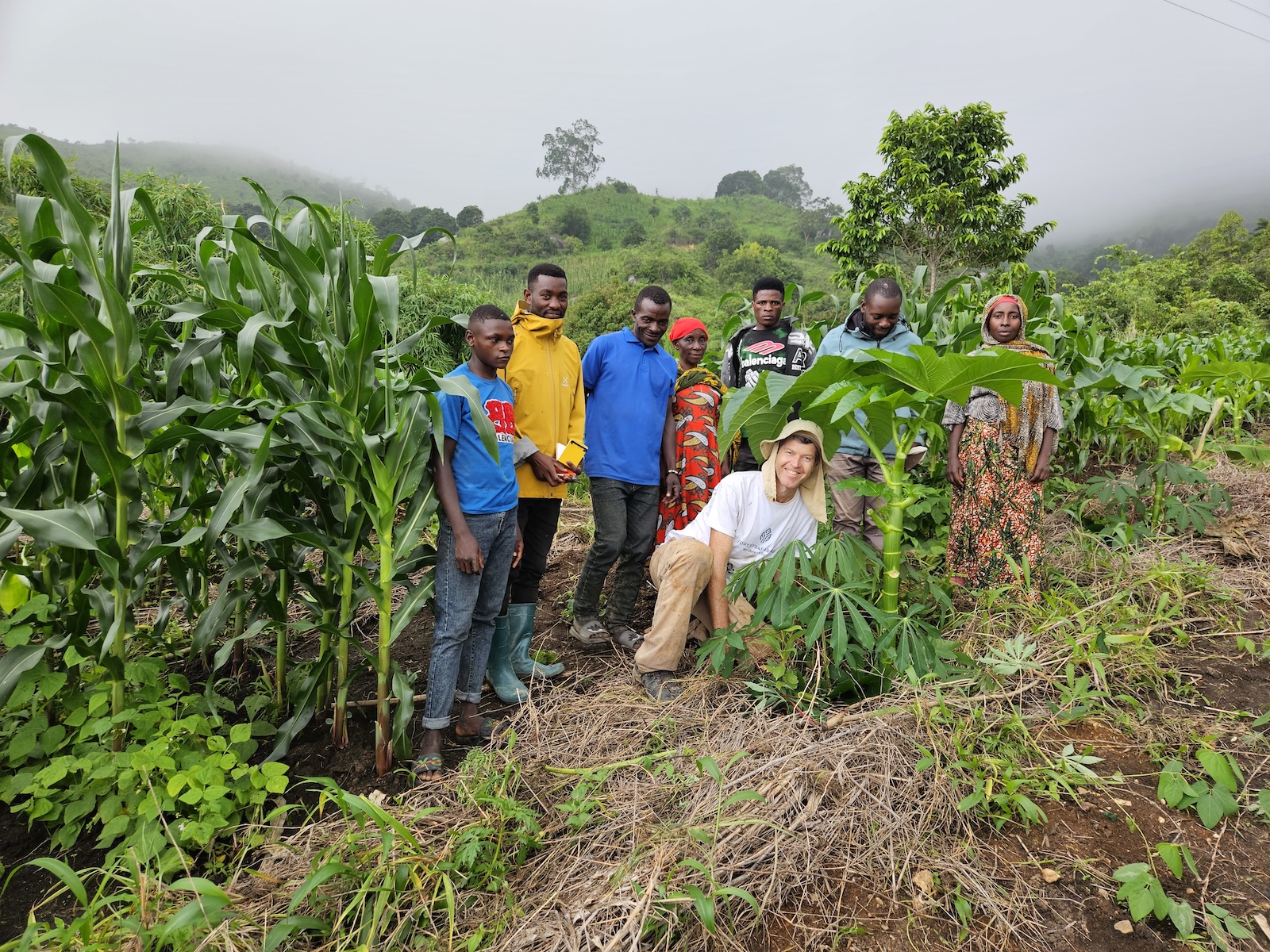
This year, many trees were planted using seeds rather than seedlings. APOPO and its partners will conduct a farm survey in July to assess germination and growth rates across participating farms.
Farmers have responded very positively to syntropic agroforestry practices, particularly as they begin to see the long-term potential of regenerative farming systems that can improve productivity while reducing environmental degradation.
Protecting a Critical Ecosystem
The Uluguru Mountains are considered one of Africa’s biodiversity hotspots and form one of Tanzania’s most important watersheds. More than 10 million people depend on water originating from the mountain system, including communities in Morogoro and Dar es Salaam. However, deforestation, soil erosion, and unsustainable agricultural practices continue to place growing pressure on the region’s ecosystems.
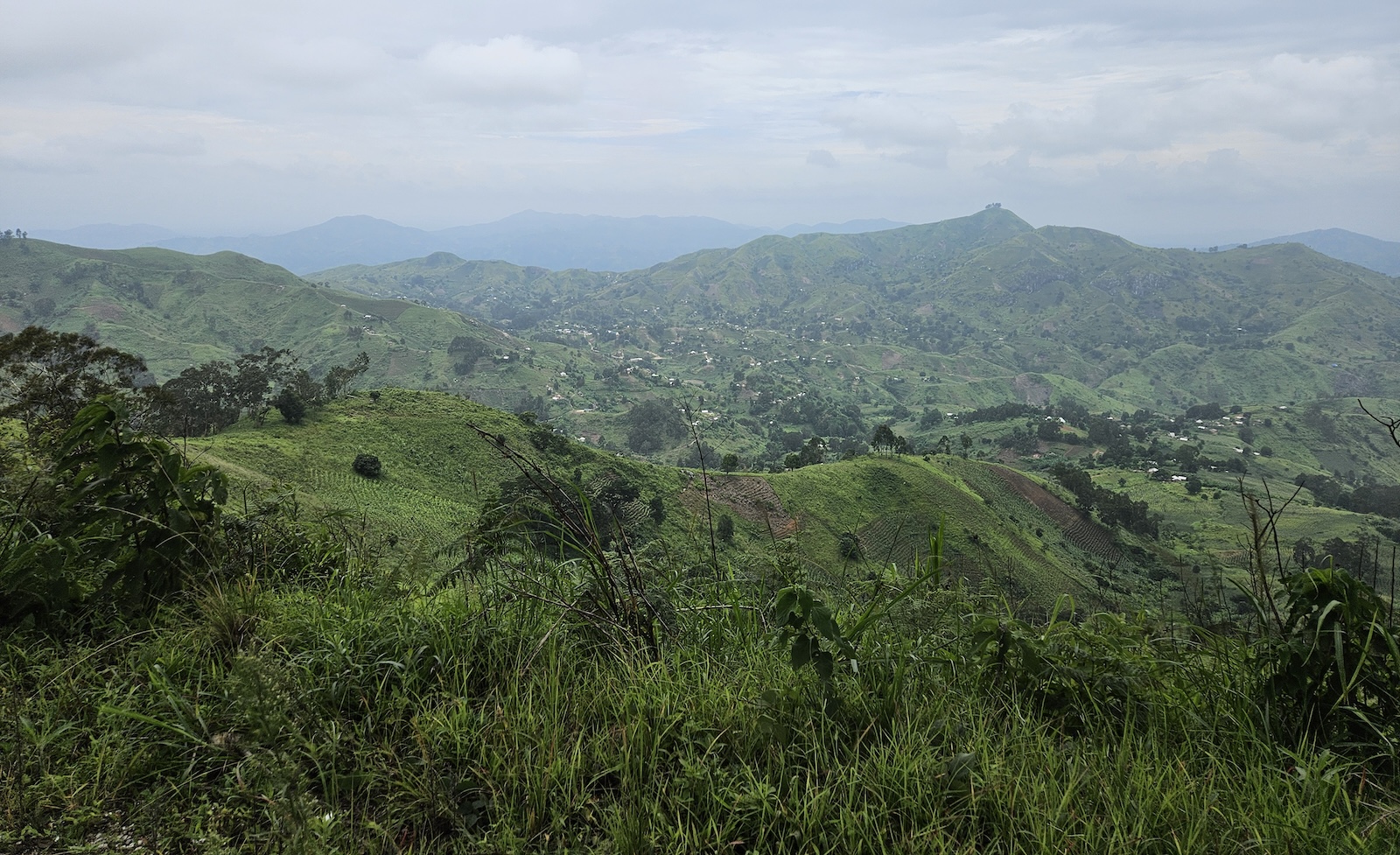
Agriculture in the Uluguru Mountains often comes with a significant ecological footprint, particularly on steep slopes vulnerable to erosion. By promoting regenerative agroforestry systems, the project aims to help farmers maintain productive livelihoods while protecting soil stability, biodiversity, and water resources.
Connecting Farmers to Sustainable Markets
Participating farmers are expected to produce coffee for Mambo Coffee, which focuses primarily on organic coffee production. As a result, APOPO is also exploring preparations for future organic certification processes.
To support this, APOPO has already begun using its ESRI-based mapping and monitoring system to register farmers and pilot farms. The system will help strengthen organic traceability and improve long-term monitoring of participating farms and agricultural practices.
Over the course of the three-year project, APOPO aims to train more than 400 farmers in regenerative agriculture and syntropic agroforestry practices.
Working Together for Long-Term Sustainability
The project brought together local farmers, students, APOPO staff, and technical experts to support sustainable agricultural development in the Uluguru Mountains. By combining regenerative farming practices with biodiversity protection and sustainable coffee production, the initiative aims to create long-term environmental and economic benefits for farming communities in the region.