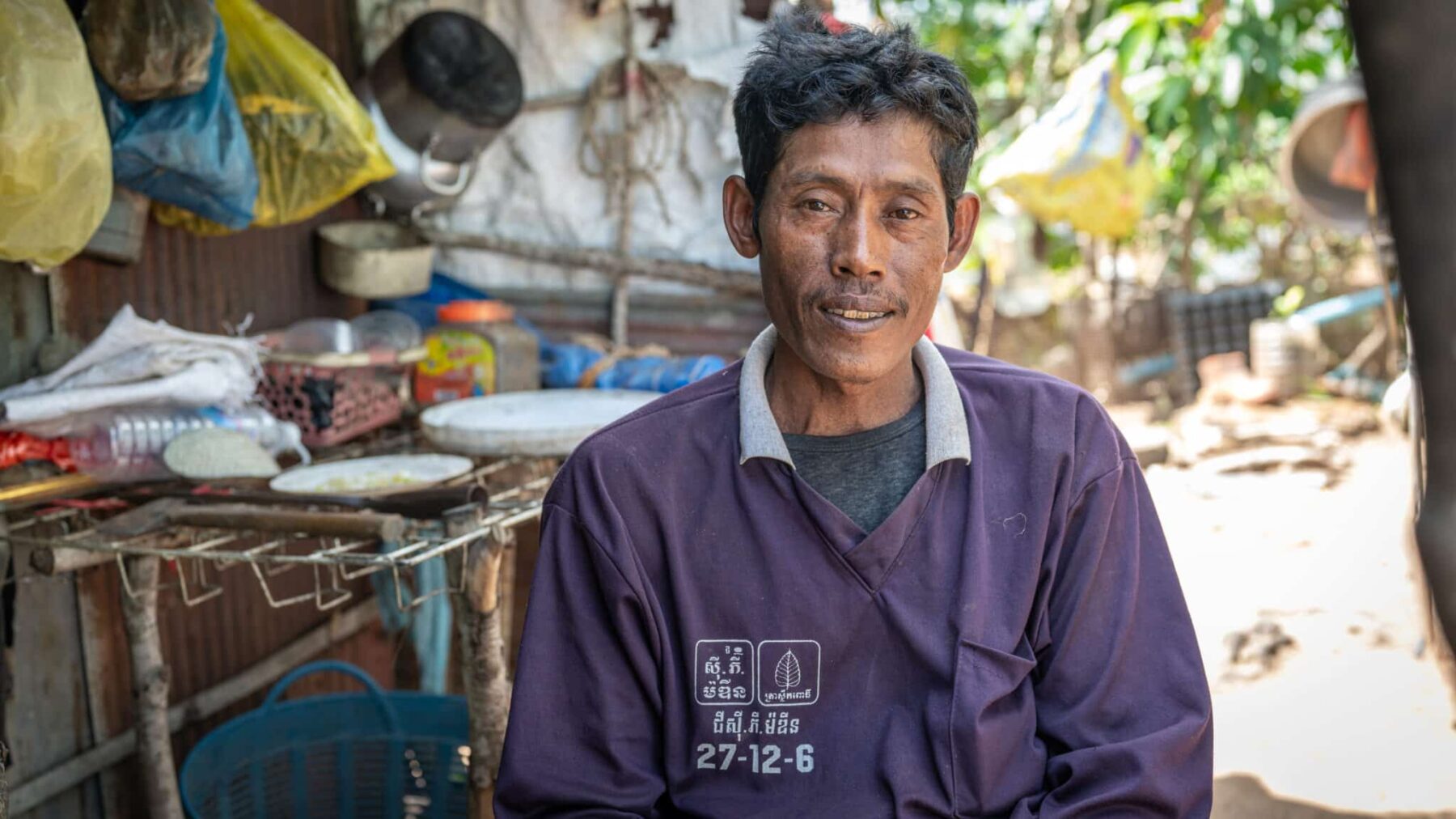
Bros’ Story: Living with Risk Every Day
Landmines and explosive remnants of war continue to shape everyday life for many families in Cambodia’s Battambang province. For farmers, the land is both their livelihood and a source of uncertainty, with hidden dangers that can remain long after conflict has ended. APOPO’s demining teams are working to clear contaminated land so communities can farm, raise their families and build their futures without fear.
Bros is a 41-year-old farmer who has lived in the area since he was 18. Over the years, he learned to recognize landmines and other explosive remnants of war while hunting, collecting firewood and working his fields. Looking back, he realizes just how much risk his family and community accepted as part of daily life.
Read Bros’ story in his own words below.
“My name is Bros, I am 41 years old. I was born in Takeo province and moved to this area when I was 18 years old.
At the beginning I did not want to stay here because I wanted to go back home. Over time, I got to know people in the village. They were kind and welcoming, I built relationships, and I decided to stay.
The land here is not perfect, but it is good enough for farming. We grow rice and corn, and the results are generally good, not the best, but enough to survive. Cassava is more difficult and does not grow well, so that is a challenge for me. The land I farm is not mine. I asked permission from the landowner to use it, and like many families here we depend on it for our survival.
I have a wife and two children. My son is 19 years old and studies mechanics. When the farming season comes, he comes back to help me and then returns to his studies. My daughter is 17. She no longer goes to school and stays at home with her mother. Together they run a small business selling water, ice and other basic goods in the village. We also have cows and chickens.

Around 2016 or 2017, when there were still bushes in this area, I used to go hunting in the forest and I saw many dangerous objects. I saw landmines, rockets and different types of explosives hidden in the ground.
I learned to recognize them because older people in the village, some of whom had been involved in placing mines during the war, explained what they looked like and warned me to be careful.
When I saw these things, I sometimes warned other villagers if they were passing by, but I did not tell my mother because she was already old and I did not want to scare her.
At that time I knew there were mines in some areas, so I told my children clearly where they should not go. For the fields where I worked every year, I continued farming. I was aware of the risk, but I was used to going there, so I was careful because I still had to work.
Sometimes, when I found explosive items, I did something very dangerous. I gathered them together, set them on fire and ran away. I knew it was risky, but I felt I had no other option at the time. Now I understand how dangerous that was.
In those years I also went into the forest to collect wood for cooking because we use charcoal and wood, not gas. That was another risky activity. Sometimes children taking cows out to graze would also bring back wood they found. Today, when I think about it, I realize how exposed we were.
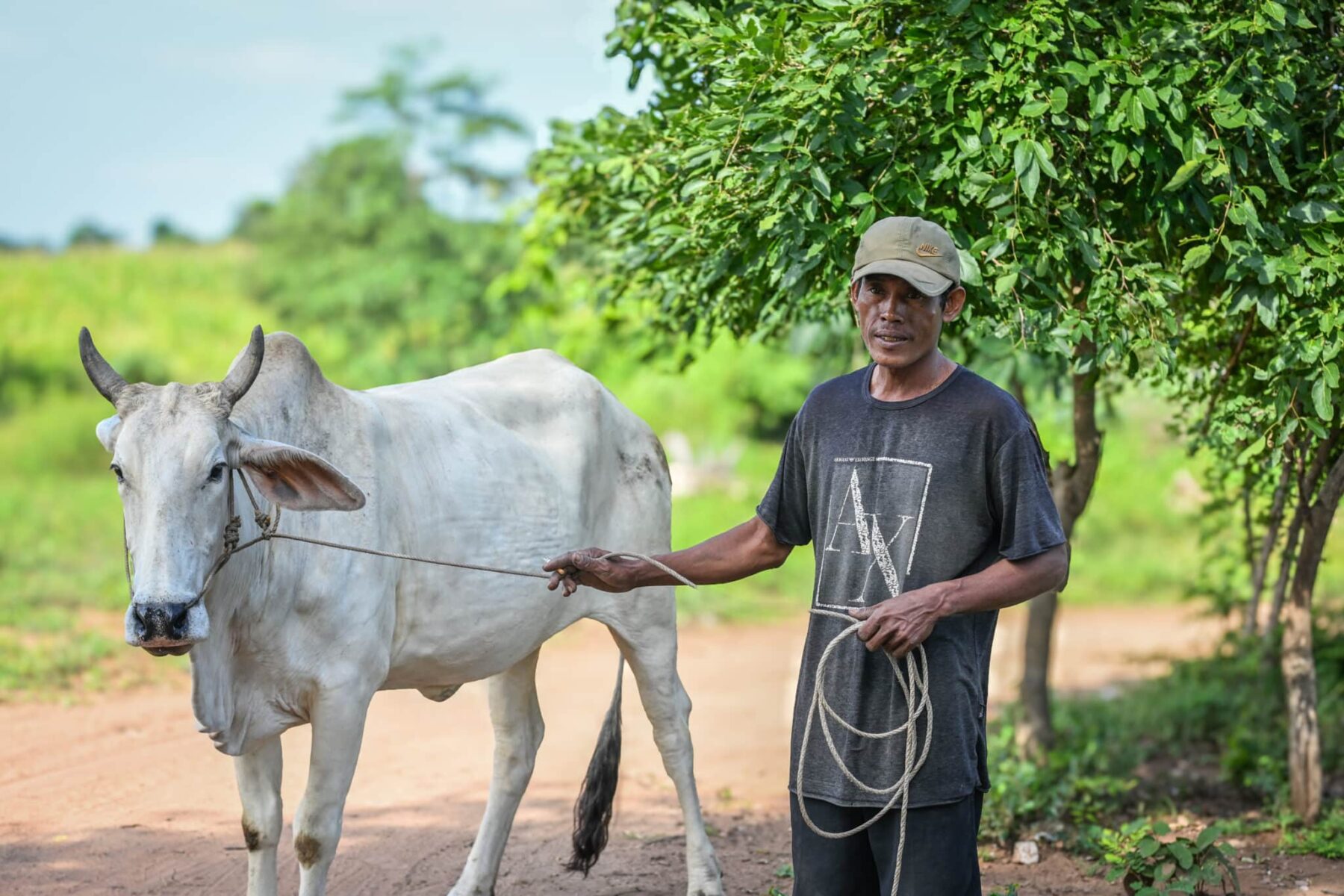
When the demining teams from APOPO arrived, I felt very happy and relieved because we have lived with this fear for a long time. Every day, going to the farm or into the forest, we never knew what could happen or whether we might step on a mine. Now, as the land is being cleared, we can start to feel safer and imagine a different future.
I have seen the teams working from a distance with detectors. I know it is a very difficult and risky job that requires a lot of skill and attention, and I respect it deeply.
Sometimes we hear the explosions when they destroy the mines. The sound is loud and frightening, but at the same time it brings relief because it means one more danger has been removed. When they find something and destroy it, we feel safer. If nothing is found, we still worry that something could remain underground.
The teams often tell us when they are going to carry out detonations and ask us to stay away, and we follow their instructions carefully.
We have built a good relationship with them. We talk often, and I see that they are committed and positive about their work. They do not complain. They want to make this place safe.
I always tell children, not only mine but others in the village, that if they see something strange they must not touch it or try to move it. They should stay away because it is very dangerous and it can kill.
My hope for my children is that they can choose their own path. I do not want to force them. If my son wants to continue as a mechanic or do something else, it is his choice. What matters to me is that they live in a place without mines.
I hope that one day all the land will be cleared so we can farm and live without fear, because this land is our life, and without it we have nothing.
I want to thank all the people working to clear the mines. Their work is very important for us and for the future of our community.”