Caring for APOPO’s Four-Legged Heroes
At APOPO, animal welfare is a fundamental part of how we work. The HeroRATs and HeroDOGs that support our humanitarian programs receive lifelong care designed to meet their physical, behavioral, and emotional needs. From housing and nutrition to healthcare and retirement, their welfare is considered at every stage of their journey with APOPO.
Few people embody this commitment more fully than Felipe Corredor, APOPO’s Animal Health and Welfare Manager. Originally from Colombia, Felipe brings a unique combination of veterinary, emergency response, and operational management experience to the role. His approach to animal welfare goes far beyond treating illness or responding to problems. Instead, he focuses on prevention, continuous improvement, and creating the conditions that allow every animal to thrive throughout its life and career.
Now based in Cambodia and supporting APOPO’s global programs, Felipe works with colleagues around the world to ensure the organization’s rats and dogs receive the highest standards of care. His story offers a glimpse into the expertise, dedication, and responsibility behind the animals that help save lives every day. Read on to hear Felipe’s story in his own words.
From Colombia to Cambodia
“My name is Andrés Felipe, although most people at APOPO know me as Felipe or Pipe. I am 31 years old, born in Bogotá, Colombia, and currently live in Cambodia, where I serve as Animal Health and Welfare Manager at APOPO.
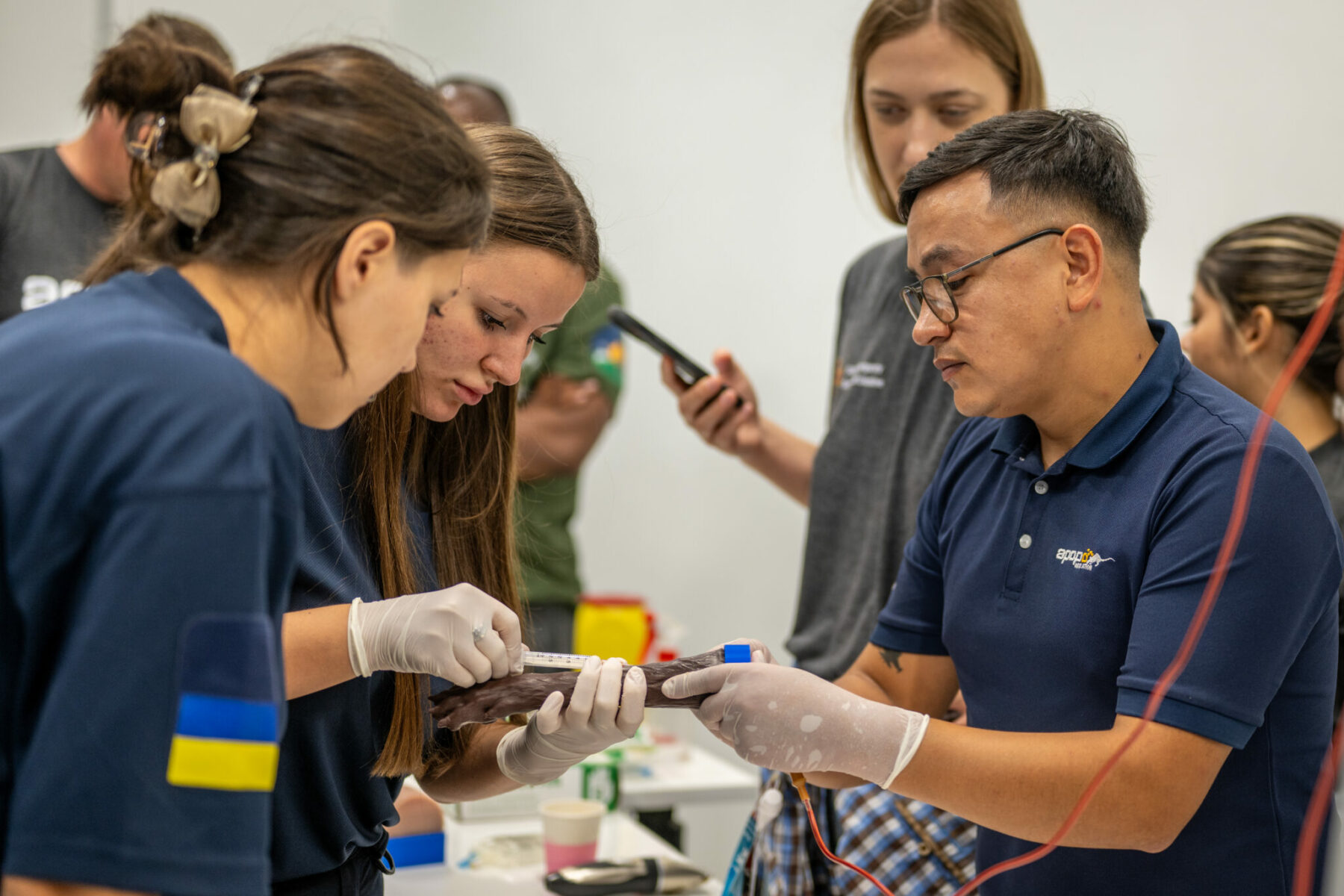
My professional career began in the animal health sector, where I worked for nearly six years as a Veterinary Technician in several veterinary clinics across Colombia. During that time, I gained experience in general consultations, surgical assistance, patient hospitalization, emergency care, and diagnostic imaging. I also provided grooming services for dogs and cats, which helped me develop a comprehensive approach to animal care and welfare.
Motivated to expand my knowledge and skills in healthcare and emergency response, I later trained as a Paramedic and joined the Colombian Red Cross. As an Operational Supervisor, I was responsible for overseeing pre-hospital emergency services, managing personnel, organizing training programs, conducting audits, and supporting multiple operational projects.
My journey with APOPO began when the Global Dog Training Center Manager in Cambodia, Jenny, with whom I had previously worked in Colombia, contacted me about an opportunity within the organization. At the time, I was fully committed to my career with the Colombian Red Cross, so the offer came as a complete surprise.
The more I learned about APOPO’s mission and humanitarian impact, the more excited I became about the possibility of contributing. Joining APOPO meant moving to the other side of the world and adapting to a new culture, a new environment, and a completely different context from what I had previously experienced. Looking back, it was one of the most rewarding decisions of my career.”
Why Animal Welfare Matters
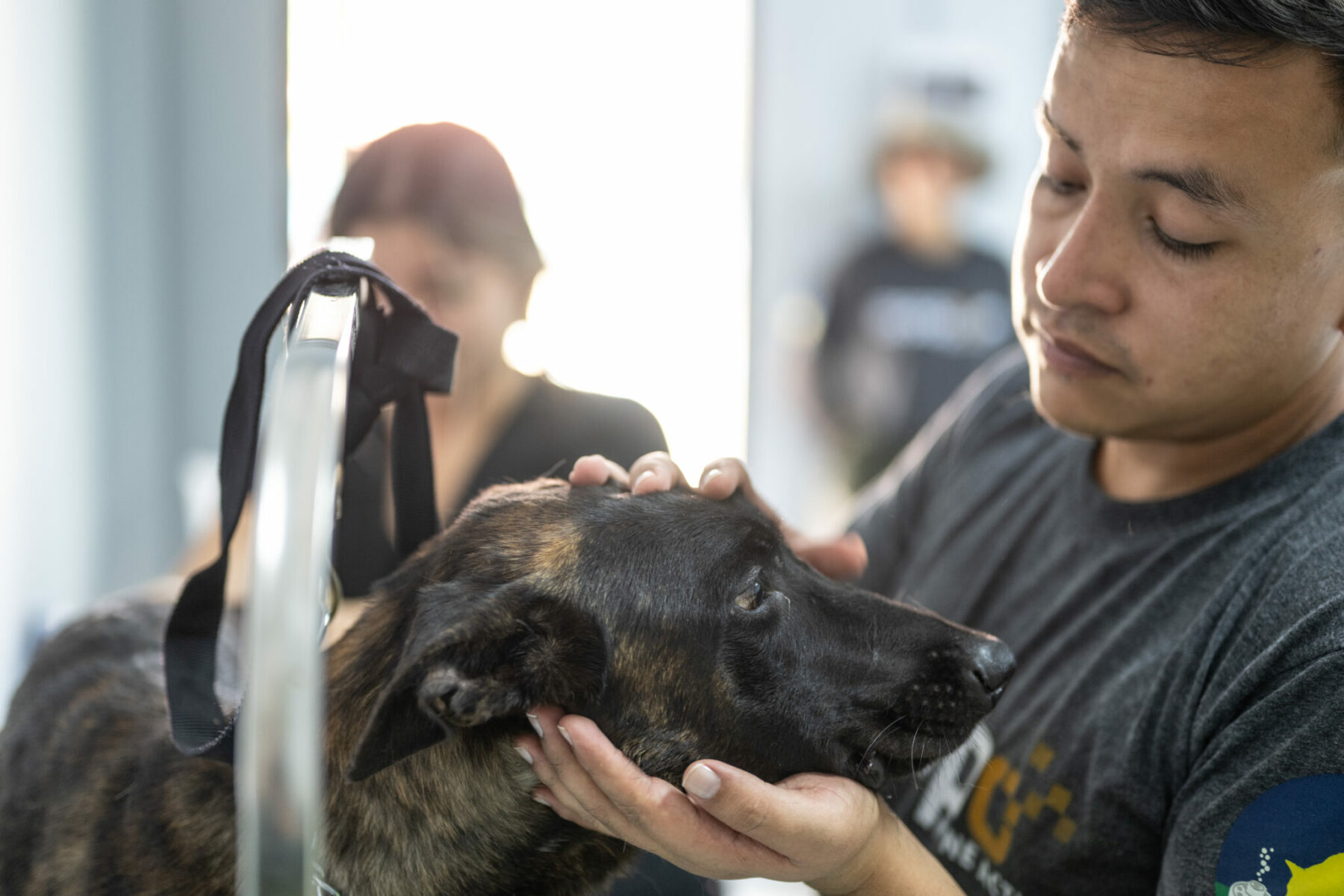
“Over the years, and through the opportunity to work closely with both people and animals, I have developed a deeper understanding of the responsibility we have as human beings toward animals. They are not only working partners but also living beings that make extraordinary contributions to missions with significant humanitarian impact.
In humanitarian demining, I have had the privilege of witnessing firsthand the commitment, dedication, and effort these animals demonstrate every day to help create safer communities and save lives. For this reason, I believe our responsibility extends beyond ensuring their physical health. It also includes providing them with respect, proper care, wellbeing, and the best possible conditions throughout their working lives and beyond.
For me, supporting these animals is a way of recognizing and honoring their invaluable contribution.”
Caring for APOPO’s Animals
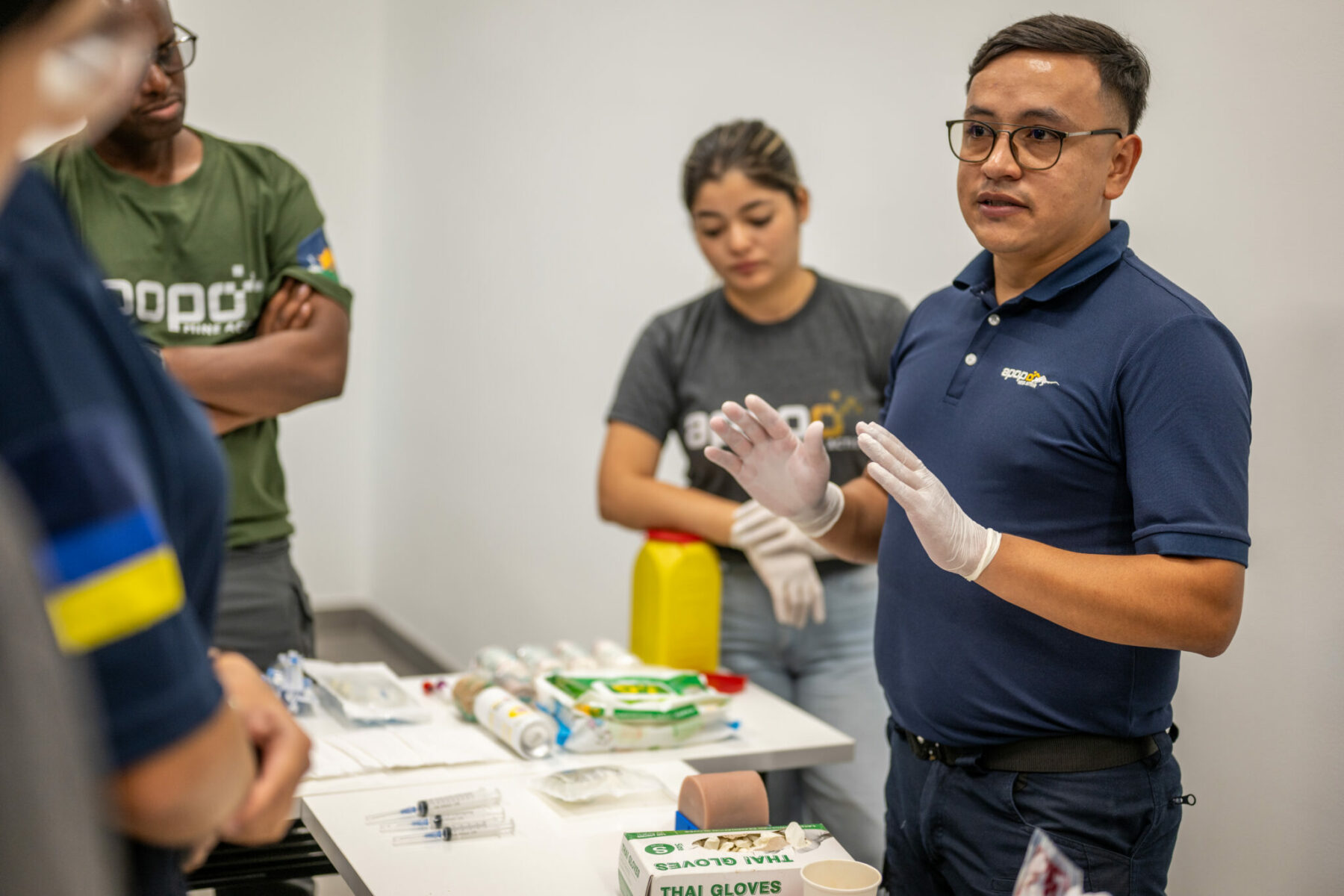
“As the Animal Health and Welfare Manager at APOPO, my primary responsibility is to ensure that every animal under our care receives comprehensive, ethical, and evidence-based care in accordance with the highest standards of animal welfare.
My responsibilities include overseeing preventive medicine programs, diagnostics, and treatment, as well as implementing strategies that support both the physical and emotional wellbeing of the animals. I also ensure that they are provided with appropriate housing, nutrition, handling, and environmental enrichment, creating an environment that meets both their physical and behavioral needs.
In addition, I work closely with multidisciplinary teams to ensure compliance with internal policies and international animal welfare standards. An important part of my role involves continuously reviewing and improving existing protocols and procedures, identifying opportunities for enhancement, and implementing initiatives that contribute both to the animals’ quality of life and to the operational effectiveness of the organization.
I am also actively involved in staff training and professional development, promoting a culture of care, respect, and responsibility toward animals.
What I value most about this position is the opportunity to contribute directly to the wellbeing of animals that play a vital role in creating safer communities, ensuring that they receive the care, respect, and recognition they deserve for their extraordinary contribution.”
Working Across Cultures
“When I joined APOPO, I understood that I was taking on a significant responsibility, both professionally and personally. This involved not only fulfilling a technical role, but also adapting to cultures and ways of working different from my own.
Humanitarian demining has very particular characteristics due to the nature of the work, the locations of the projects, and the diversity of cultures within the teams involved. However, it has been deeply rewarding to realize that these challenges become opportunities for growth.
In this context, I have strengthened my communication skills, as well as my ability to analyze and interact effectively with animals, people, and the environment.
Ultimately, this experience has reinforced my adaptability and my holistic view of working in multicultural and multidisciplinary environments, always focused on animal welfare and the humanitarian impact of our work.”
The Bond Between People and Animals
“It is truly fascinating to observe the positive behaviors that emerge among people working with our animals, even when language barriers are sometimes present. Despite these differences, daily work fosters a shared understanding based on collaboration, respect, and a common goal.
Over time, I have been able to identify how meaningful connections are formed between people and animals. These relationships not only improve operational performance but also contribute to the wellbeing of both the animals and the individuals who work directly with our rats and dogs, whom I consider true superheroes because of the impact of their work. Seeing how these interactions develop and evolve is deeply valuable, as it shows the special bond that is built in daily work.
One of the most memorable moments is when rat and dog handlers have their first interactions with our animals. That’s when a very meaningful relationship begins to form, and it is truly exciting to see how that connection develops naturally and authentically. I am very impressed by how strong the bond between humans and animals can become, sometimes even comparable to family relationships.”
A Special Place on My Desk
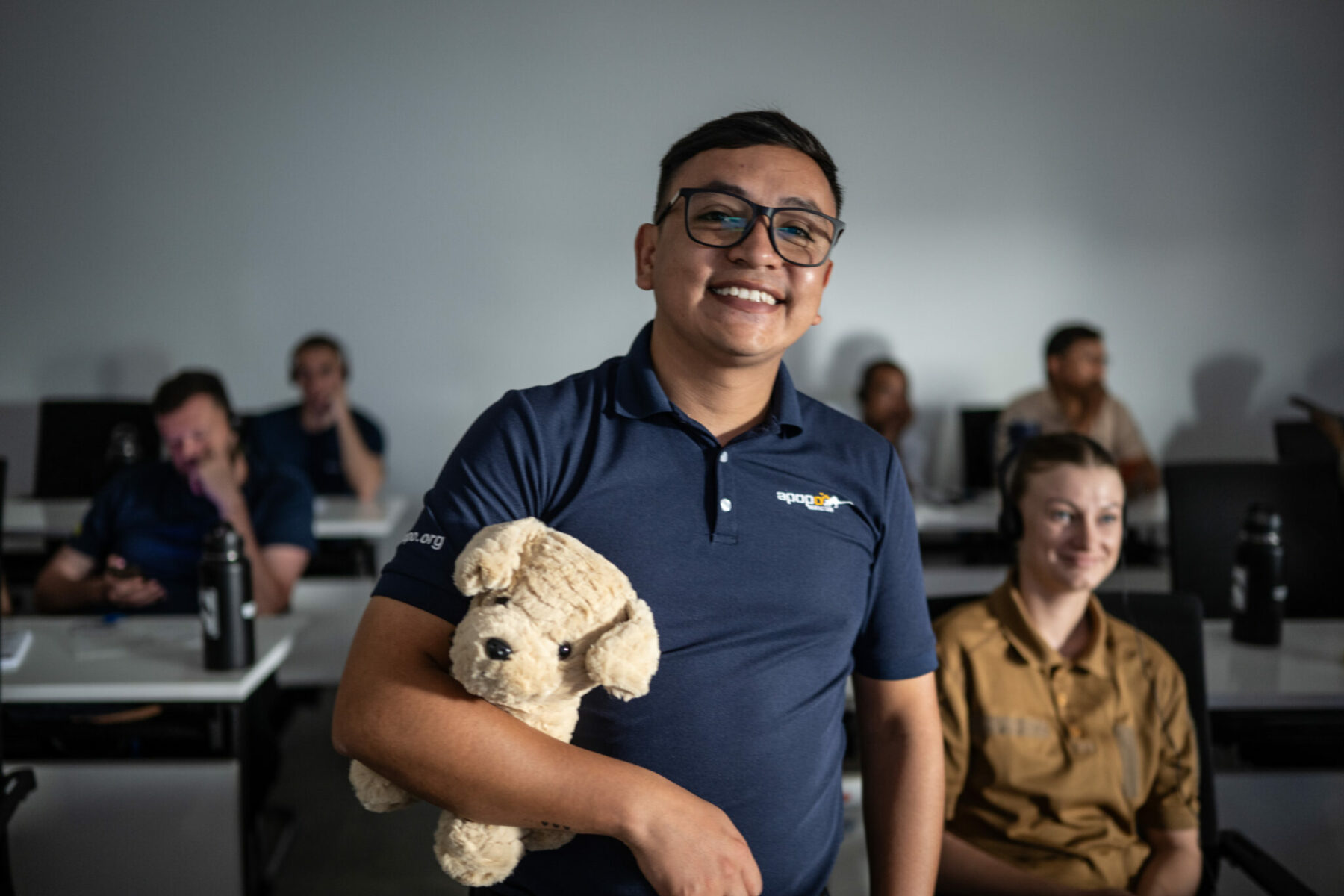
“Along this journey, there is a very special story for me: the story of my dog, Sara.
She accompanied me through the final years of my school and university life, becoming an unconditional source of support, both physically and emotionally, during some of the most difficult moments of my life.
Sara was with me through good days and long nights, always offering a quiet but deeply comforting presence. We said goodbye with the same love and connection that we shared from the very first day I adopted her. It was a farewell filled with love, gratitude, and peace.
Today, I keep a photograph of her on my desk. It is not just an image; it is a constant reminder of the love, loyalty, and sensitivity that animals bring into our lives.
Every time I see it, I remember the purpose I have at APOPO: to remain committed to the care, respect, and wellbeing of every animal under our responsibility.”
Why Welfare and Operations Go Hand in Hand
“Animal welfare and operational success are deeply interconnected, not only within APOPO’s programs, but also in any productive system where animals play an active role in the work. When welfare is genuinely and consistently integrated into health and care standards, it becomes an essential component of performance and operational sustainability.
At APOPO, processes and safety protocols have been developed to maintain high levels of control, efficiency, and welfare across all working environments. Through the alignment of these processes, it is possible to establish comprehensive programs that incorporate preventive health plans, optimize the use of resources, and ensure that animals receive an appropriate and consistent level of welfare.
From this perspective, animal welfare is not an independent element, but as a factor that directly contributes to the quality of work, the safety of operations, and the positive impact on beneficiary communities.”
Raising the Standard of Care
“From the very first day I joined APOPO, I have envisioned myself contributing to the long-term development of animal health and welfare, supporting its continuous development and its consolidation as a benchmark of best practices in the integration between humans and animals.
Professional development has always been one of my personal goals. I remain committed to strengthening my skills in areas such as health process administration, emergency and disaster management, and leadership.
Thanks to my experience at APOPO, I have had the opportunity to continue growing professionally, not only in technical aspects but also in leadership, teamwork, and communication within different cultural and linguistic contexts.
In the future, my goal is to continue contributing to the development of the animal health and welfare area, strengthening my professional profile, and helping ensure that APOPO continues to provide the highest standards of care for the animals that support its humanitarian mission.”