Hong Kong student Adriana Che first learned about APOPO online through HeroRAT Jane, a wildlife detection rat named by Dr. Jane Goodall during a visit to APOPO in Morogoro, Tanzania in July 2024. Learning about Jane introduced Adriana to an unusual approach to conservation: training rats to detect products trafficked from threatened species.
In summer 2026, Adriana, 17, worked with APOPO as its 1st Student Research Scholar in Wildlife Conservation. She wrote a research paper on pangolin trafficking, following the trade from the places where animals are captured to the markets where their scales are sold. She also considered where APOPO’s Wildlife Detection Rats could help authorities identify concealed wildlife products.

Following the Pangolin Trade
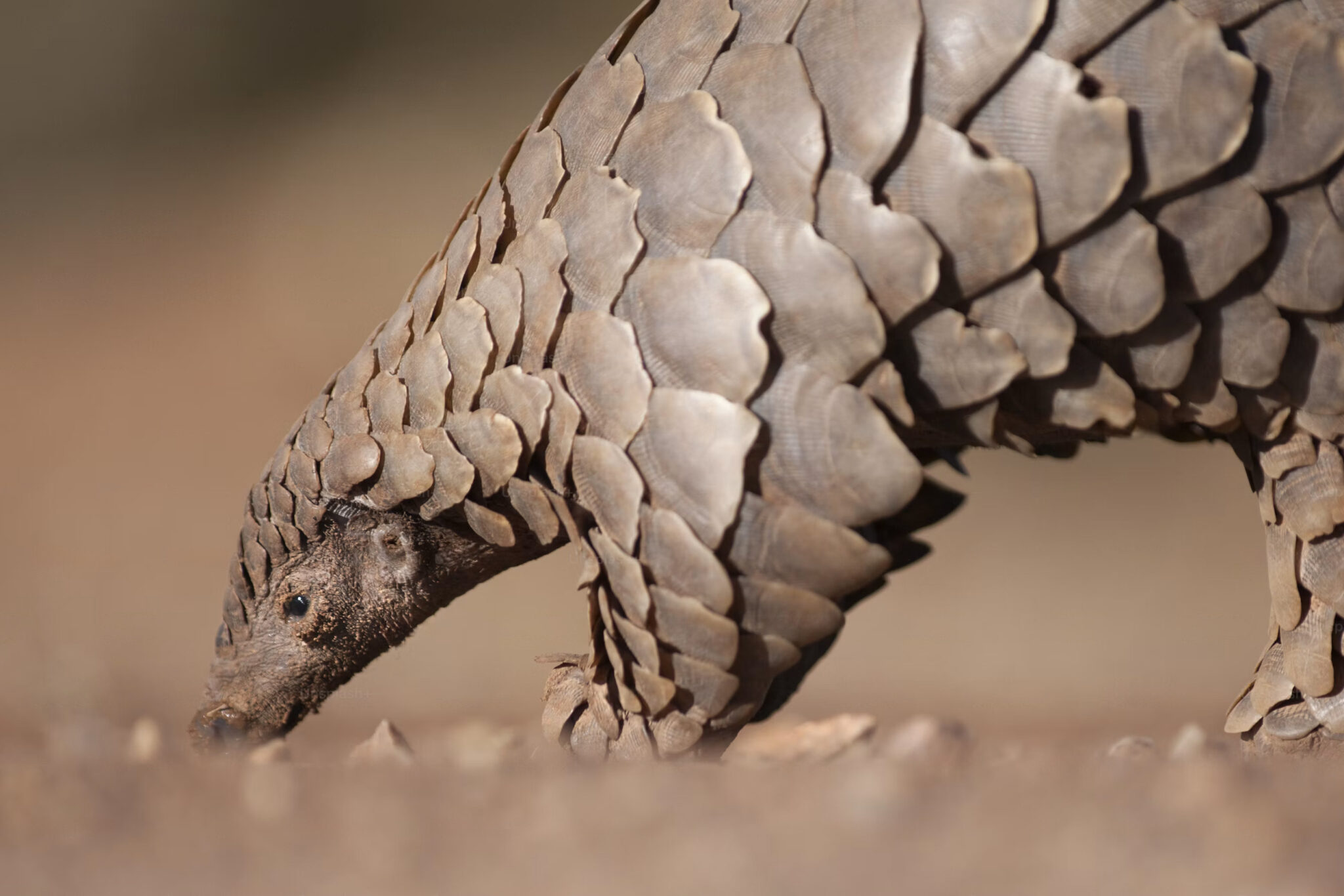
When threatened, pangolins curl into a ball, shielding their bodies with overlapping scales. This defense can deter natural predators, but offers little protection against poachers. Their scales are made of keratin, the same protein found in human fingernails, yet demand for their use in traditional medicine continues to drive trafficking.
Adriana’s paper examines how declining Asian pangolin populations have been accompanied by growing trafficking of African species, including the white-bellied pangolin. Her research follows the connections between local collection and international demand.
A 2025 assessment prepared by IUCN experts for CITES illustrates the scale of the problem. Between 2016 and 2024, seizures of pangolin products represented an estimated more than half a million animals across 75 countries. Those records capture only the shipments authorities intercepted, leaving the full extent of trafficking unknown.
Looking Beyond the Point of Capture
A central concern in Adriana’s research is what happens after a pangolin is taken from the wild. Her paper traces the roles of local buyers, intermediaries who accumulate wildlife products, and smugglers who arrange larger shipments for overseas markets.
Following those connections raises questions about where enforcement can have the greatest effect. Arresting a hunter or courier may leave the people financing and organizing the trade untouched. Adriana also considers the pressures facing people with few opportunities to earn a living, and how enforcement can affect their families.
As Adriana writes, “These pressures do not excuse the poaching of illegal wildlife,” but they highlight the need for “more efficient and humane conservation.”
Her paper argues for combining action against poaching with investigations into the wider trafficking networks. Understanding who profits, who takes the risks and why people become involved can help inform conservation responses.
Considering the Role of Scent Detection
Adriana also examined where scent detection might contribute along the supply chain. As pangolin scales are collected, concealed among other goods and transported across borders, there may be opportunities to detect shipments before they reach buyers.
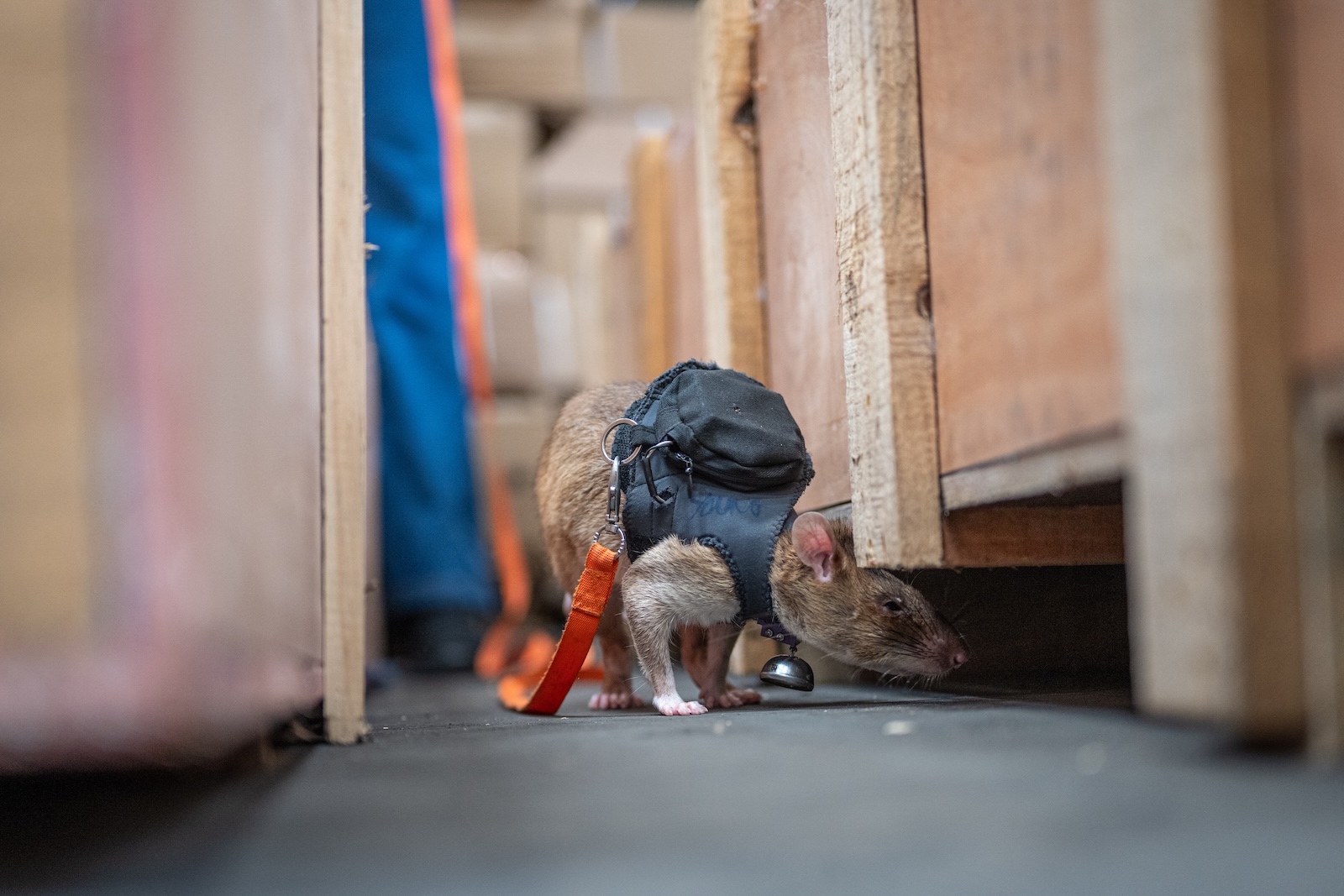
APOPO’s Wildlife Detection Rats are trained to recognize the scent of wildlife products, including pangolin scales, elephant ivory and rhino horn. A 2024 study published in Frontiers in Conservation Science demonstrated APOPO’s research that African giant pouched rats could identify target wildlife products even when presented alongside materials used to conceal them.
Adriana considered this potential within the broader challenge of disrupting trafficking. Detecting a concealed shipment could support enforcement, while investigating its origins and destination could help authorities understand the network behind it.
“Adriana’s work helps us understand the current status of the pangolin trade in Southeast Asia, where many pangolins are transported,” said Dr. Eduardo Reynoso, Scientific Lead on APOPO’s Wildlife Detection Project. “Understanding the practices and techniques used to accumulate, conceal and move pangolin products along these routes is key to our project, as it helps us identify where Wildlife Detection Rats could be deployed and what would be needed in each setting. We hope her example inspires other young students to enter the world of conservation and collaborate with APOPO in creating a better world for both people and wildlife.”
Bringing Research into Policy
Alongside her paper, Adriana developed a Hong Kong policy brief proposing broader protection for threatened species and stronger scientific input into wildlife trade decisions.
Together, these projects extended her initial interest in a wildlife detection rat into an examination of the trade itself. Her research places scent detection within a wider conservation response that also considers enforcement, policy and the livelihoods of people living near threatened wildlife.