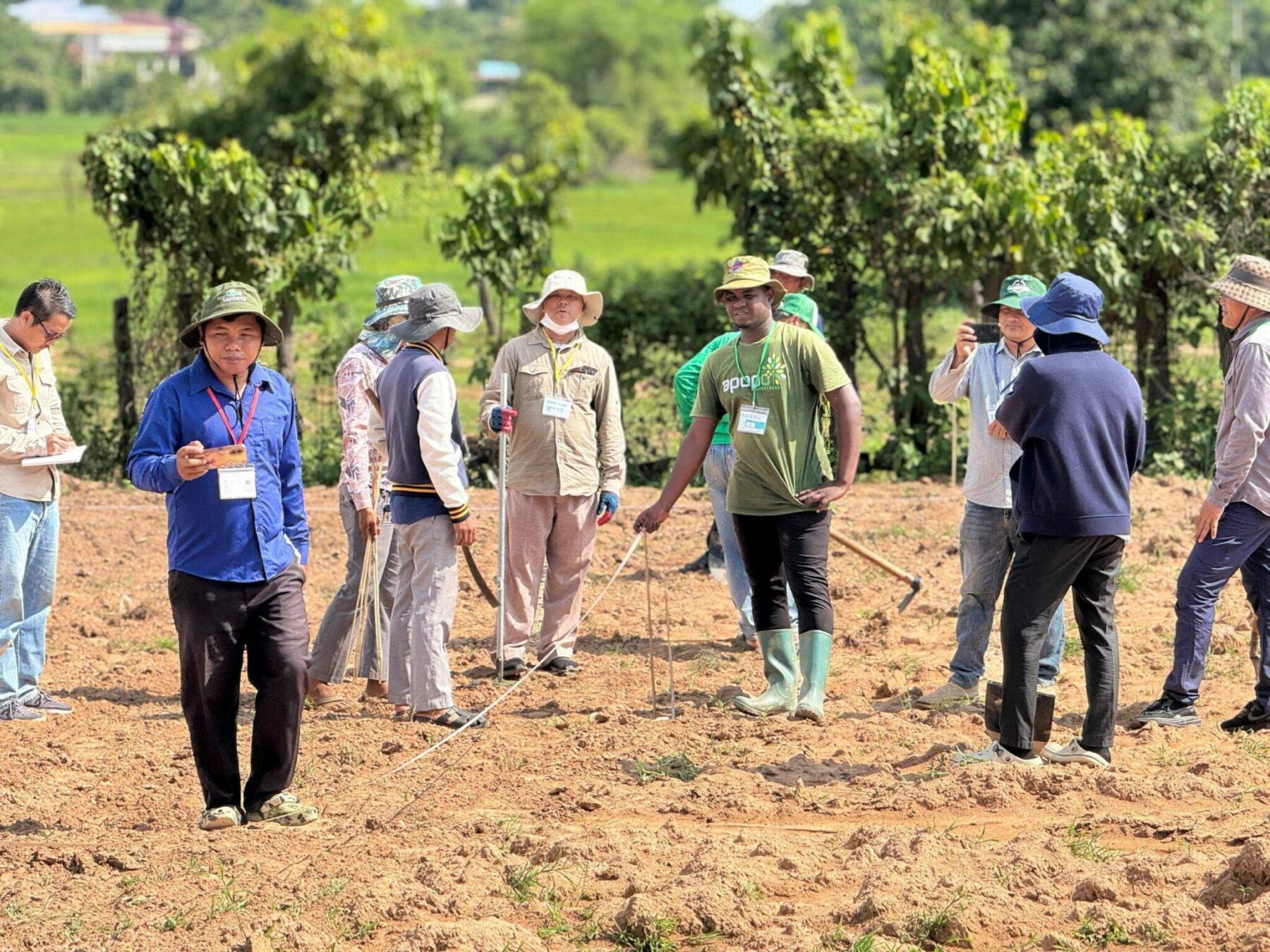
Siem Reap, Cambodia, 24 June, 2026 — APOPO HeroTREEs, in partnership with the Cambodian Institute for Research and Rural Development (CIRD), has completed an open Syntropic Agroforestry Training in Cambodia, creating a rare opportunity for farmers, practitioners, trainers, and development organizations to explore the approach through practical, hands-on learning.
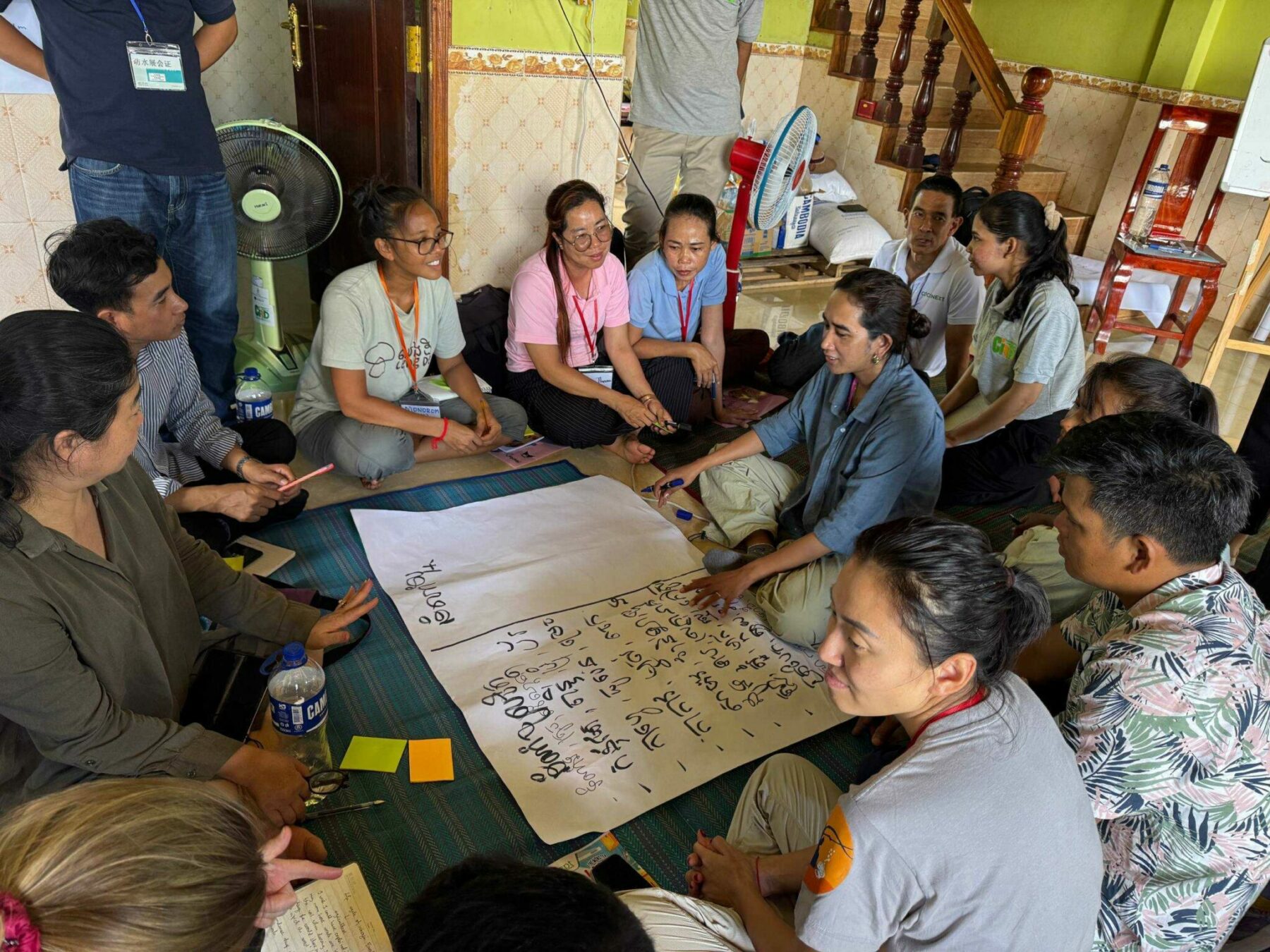
Held from 22 to 24 June under the Syntropic Agroforestry Innovation Accelerator (SAIA), the three-day training brought together 37 participants interested in regenerative approaches that can support productive agriculture while restoring natural ecosystems.
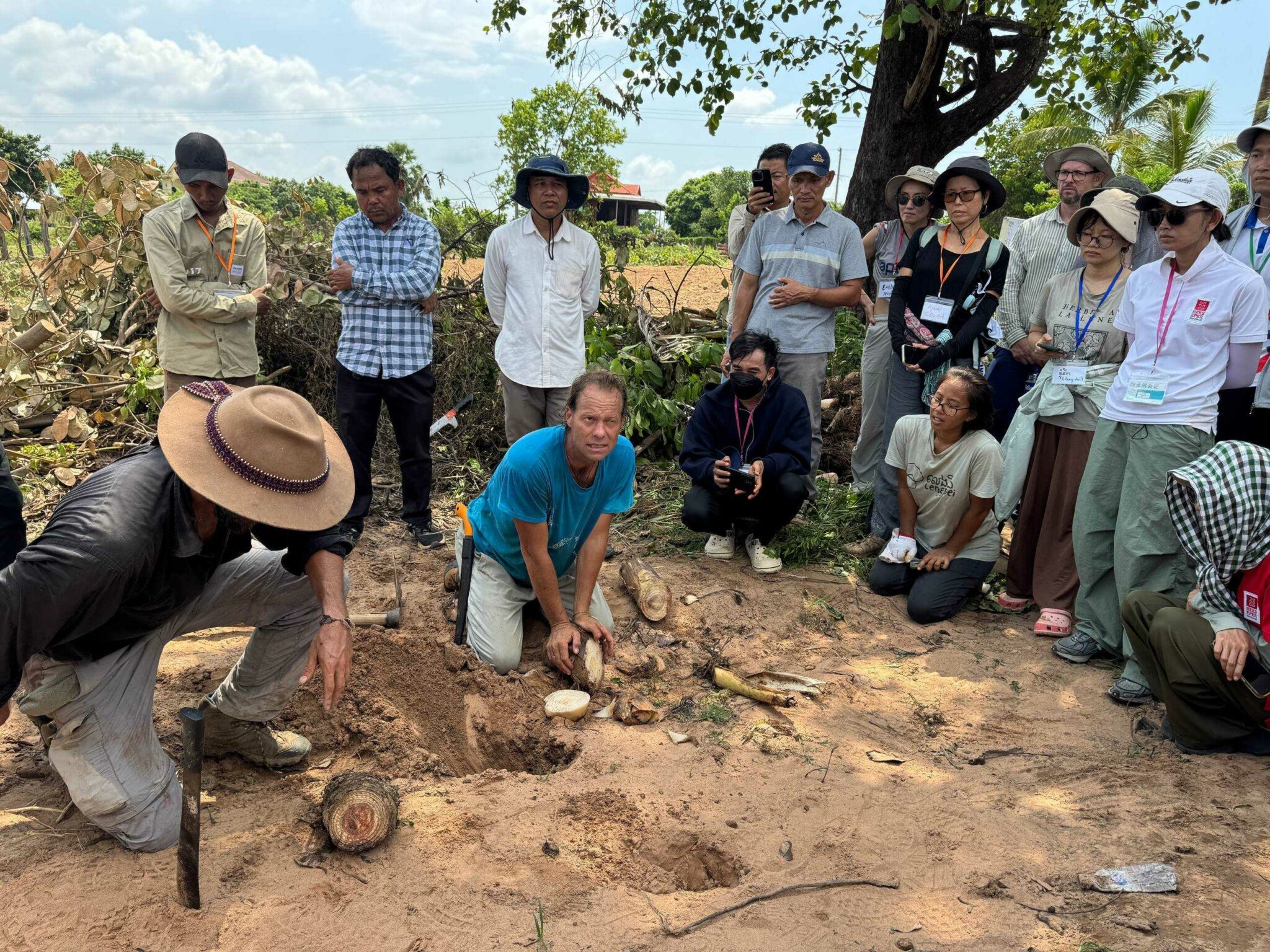
With technical facilitation from ECOTOP agroforestry specialists from Bolivia, participants explored how syntropic agroforestry principles could be adapted to farming systems and environmental conditions in Cambodia. The training covered ecological succession, crop stratification, biomass management, species selection, pruning techniques, and agroforestry design, combining technical instruction with direct experience in the field.
Turning Learning Into Practice
A major outcome of the training was the establishment of a 1,000 m² demonstration plot based around a cashew syntropic agroforestry system. Working together, participants planted 135 trees and 63 banana plants, creating a living learning site where the system can be observed, managed, and adapted over time. The plot shows how agricultural production and ecological restoration can be integrated within the same farming system.
It was designed to improve soil health, increase biodiversity, strengthen climate resilience, and create opportunities for more diverse farmer incomes. The design also allows farmers to continue cultivating rice during the first years of establishment, helping maintain production while the trees and other species develop.
Exploring a Different Approach to Agriculture
Syntropic agroforestry brings together crops, trees, and other plant species in systems inspired by the way natural ecosystems grow and regenerate. Different species are selected and arranged according to their role, growth cycle, and position within the system. Practices such as pruning and biomass management are used to support soil fertility, plant growth, and the continued development of the system.
During the training, participants were able to apply these principles directly while establishing the demonstration plot.The practical format encouraged participants to exchange knowledge, test ideas, and consider how syntropic agroforestry could be adapted within their own farms, communities, training programs, and organizations.
Building a Network for Regenerative Agriculture
The training marks an important step in expanding knowledge of syntropic agroforestry in Cambodia. By bringing together people from across agriculture and rural development, the event also created opportunities for continued collaboration and knowledge sharing.
The newly established demonstration plot will provide a practical space for learning as the system develops and will help generate experience that can inform future agroforestry activities. Through SAIA, APOPO HeroTREEs and its partners are working to build a growing network of farmers, practitioners, trainers, and organizations interested in testing, adapting, and scaling syntropic agroforestry across the region.
By combining practical training with long-term demonstration, the initiative aims to support healthier landscapes, stronger rural livelihoods, and more resilient farming systems in Cambodia.
Sign up to APOPO’s Syntropic Agroforestry Newsletter for regular updates about our program.