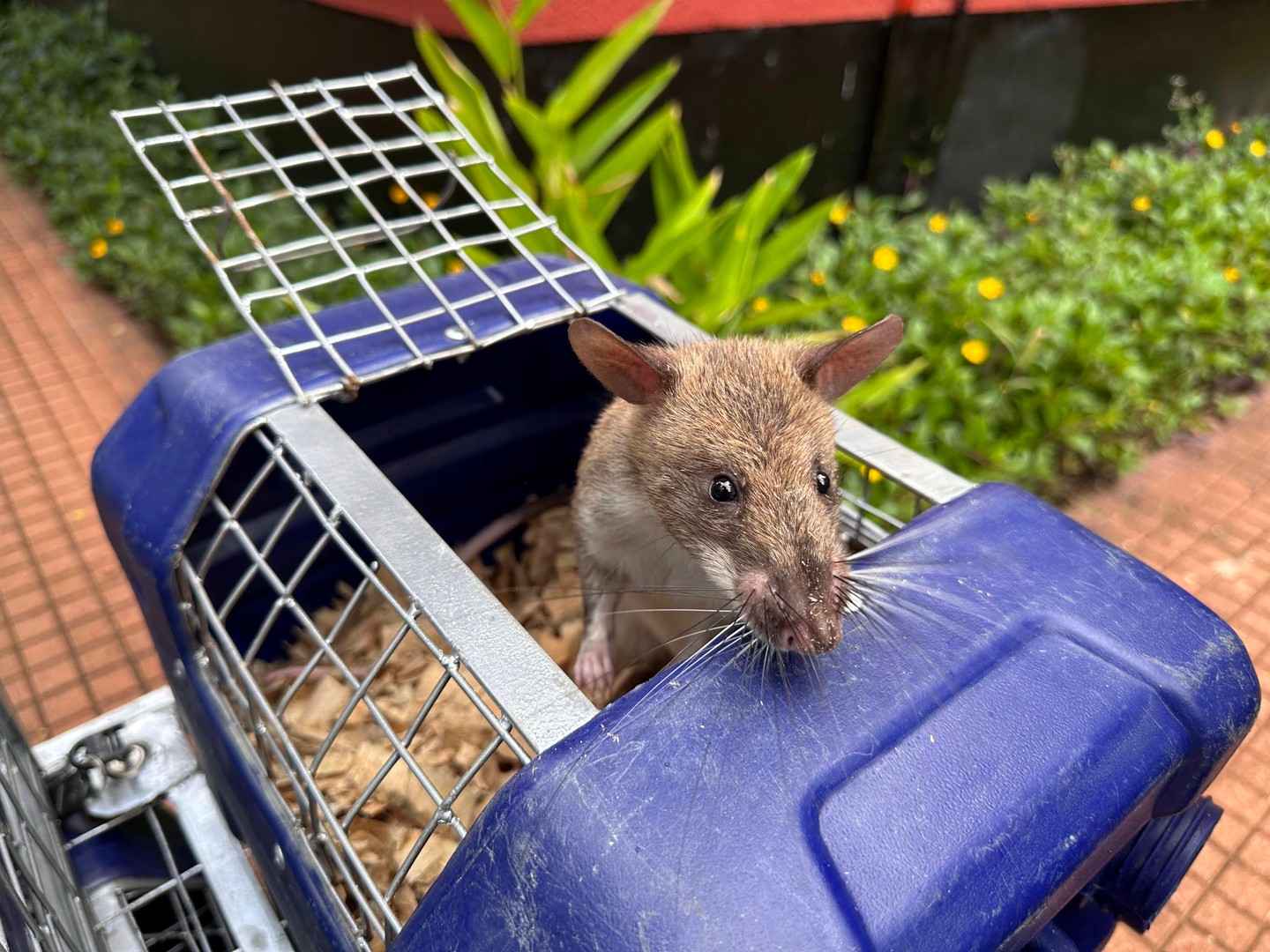
ADDIS ABABA, Ethiopia, May 20, 2026 – Five newly trained HeroRATs have joined APOPO’s tuberculosis (TB) detection program in Ethiopia, boosting the program’s capacity to identify cases that might otherwise be missed and helping prepare for future innovations in TB screening.
The new recruits, Dorkasi, Hazel Hazard, M. Sotnikova, Ramesh, and Sinar, arrived in Addis Ababa on May 20 after completing training and accreditation testing in Tanzania. They were selected from a group of 10 rats that successfully passed internal accreditation testing earlier this year.
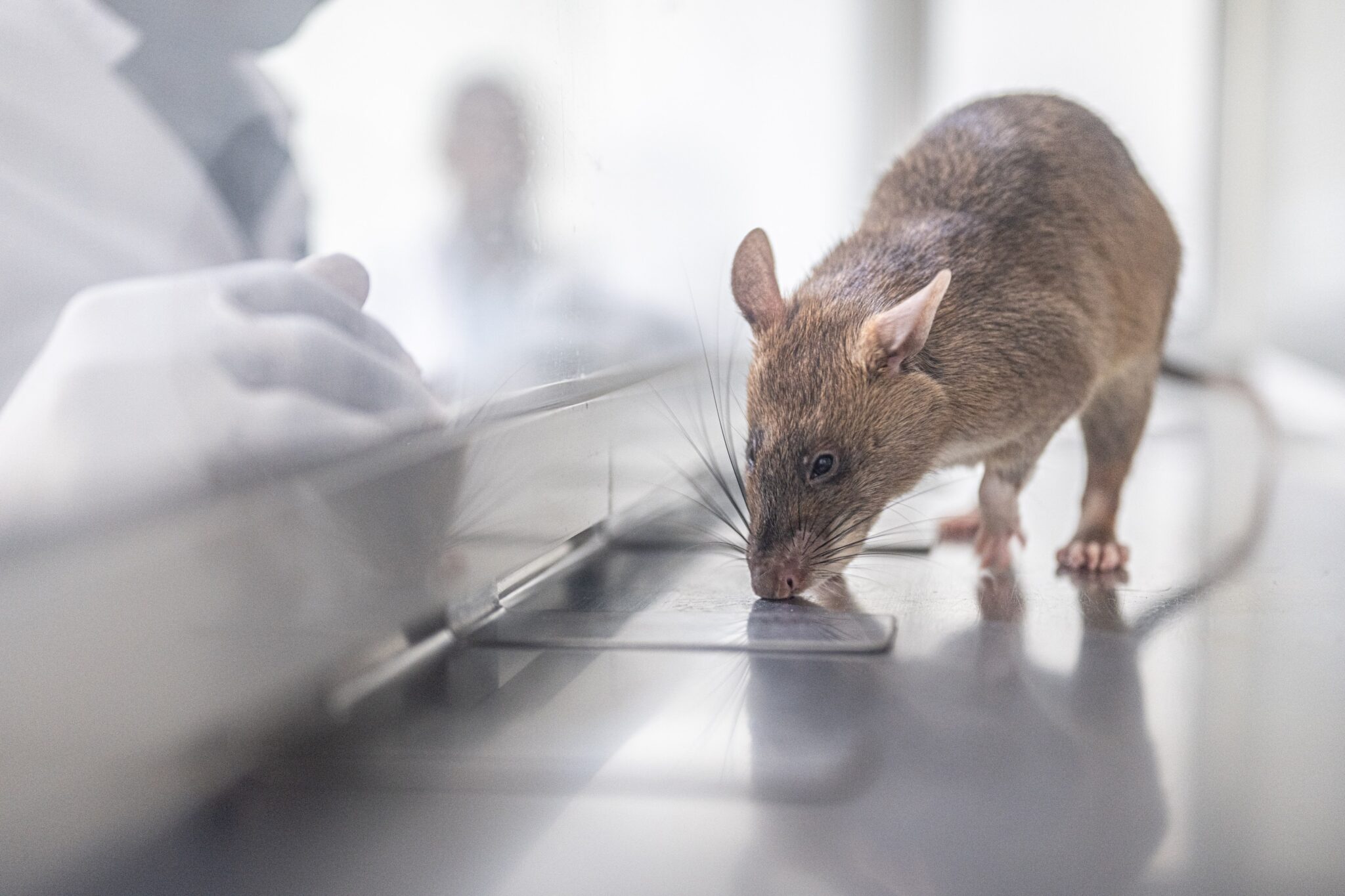
APOPO’s tuberculosis detection program uses trained African giant pouched rats (Cricetomys ansorgei) to rapidly evaluate patient sputum samples. Working alongside existing diagnostic tools, currently as a second line screening method, the rats help identify cases that might otherwise be missed, enabling patients to begin treatment sooner and reduce the spread of tuberculosis in their communities.
Selected for Performance and Potential
The five rats were chosen based on a combination of test performance, behavioral characteristics, health history, age, and genetic diversity.
According to Dr. Cindy Fast, APOPO’s Head of Training and Research, the rats selected for Ethiopia performed at a level comparable to APOPO’s operational animals. In addition to their test results, trainers considered each animal’s health history, behavior, age, and ancestry to build a strong and diverse team for the program.
Preparing for New Screening Approaches
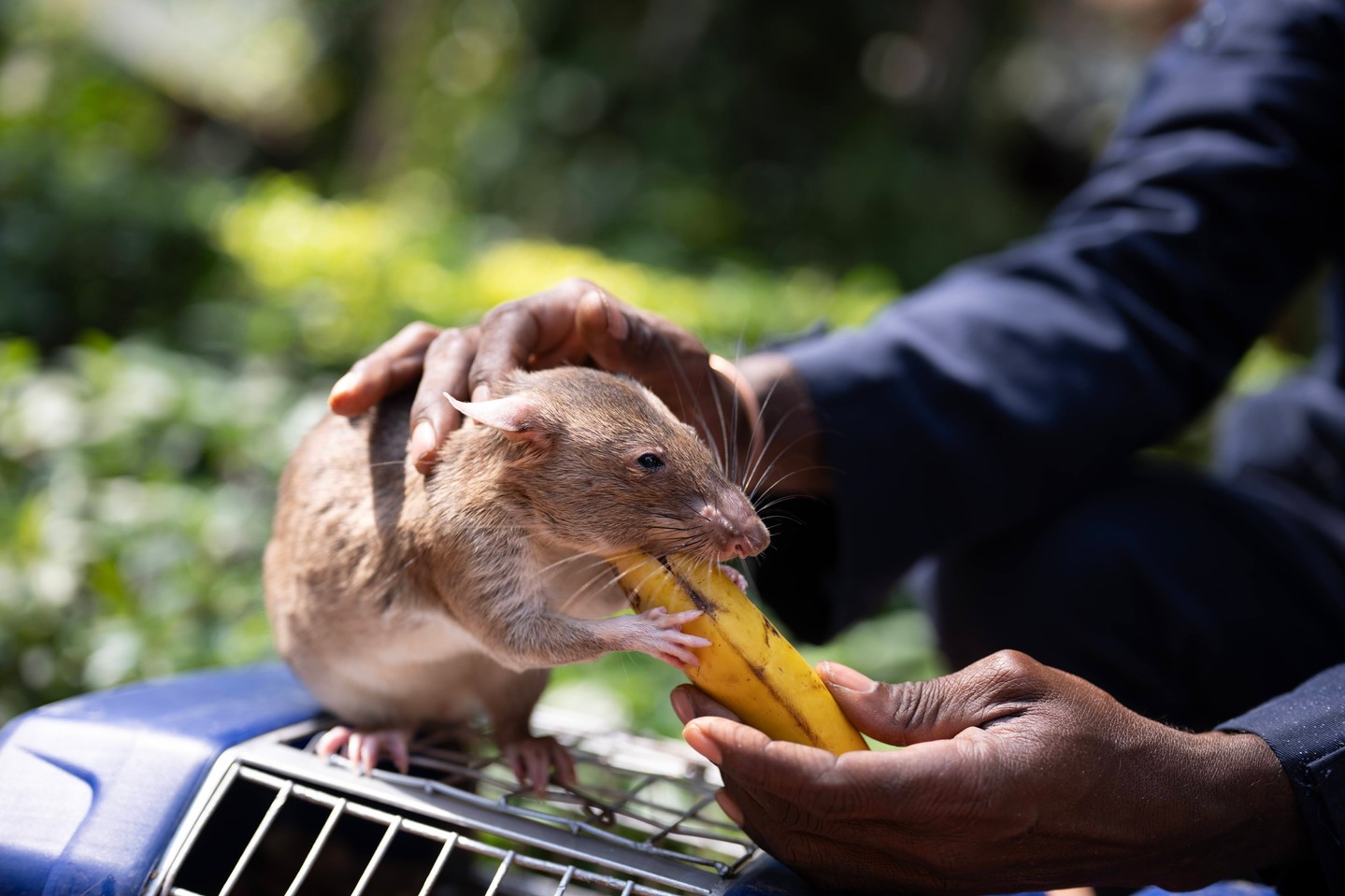
While administrative arrangements for their transfer were being finalized, the rats received additional training on a surrogate scent target alongside their primary tuberculosis target.
“The second target training gives us an opportunity to plant targets among line-ups of unknown patient samples,” said Cindy. “This is important to ensure the rats are working well as we test out new deployment and patient screening scenarios, such as active case-finding and first-line screening.”
Unlike APOPO’s current second-line screening model, these approaches may involve evaluating samples in situations where known TB-positive samples are not available during training or routine screening sessions. The surrogate target allows trainers to maintain the rats’ motivation through rewards while also providing an opportunity to measure performance against known targets.
The additional training supports ongoing research into new ways of deploying HeroRATs, including active case-finding and first-line screening, which could help identify people with tuberculosis earlier in the diagnostic process.
A Carefully Planned Journey
Transporting the rats from Tanzania to Ethiopia required extensive preparation, including import and export permits, veterinary inspections, and health documentation for each animal. Ethiopia also requires health inspections to be conducted within 48 hours of travel.
To minimize travel-related stress, dedicated care staff accompanied the rats to Dar es Salaam one day before departure, allowing them time to rest before their flight. The five HeroRATs completed the journey to Addis Ababa and are now settling into their new environment ahead of starting in their new roles within Ethiopia’s TB detection program.
