
APOPO has published a new study showing that, among patients who tested negative using routine tuberculosis laboratory methods, those whose sputum samples were flagged by trained African giant pouched rats had 39 percent higher odds of being clinically diagnosed and treated for pulmonary tuberculosis. In the study of 2,401 presumptive TB patients in Tanzania, 12 percent of rat-positive patients were later clinically diagnosed with pulmonary TB, compared with 9 percent of rat-negative patients, a difference that was statistically significant.
Published in Public Health Action, the study was led by Dr. Joseph Soka, APOPO’s Program Manager for TB in Tanzania, together with colleagues from APOPO and partner institutions. It is the first study to examine whether rat-positive results are associated with real-world clinical diagnosis and treatment decisions in patients who are difficult to diagnose using standard TB tests.
Clinical and laboratory pathways in TB diagnosis
In TB care, a distinction is made between bacteriologically diagnosed and clinically diagnosed tuberculosis. Bacteriologically diagnosed TB refers to cases confirmed through laboratory tests that directly detect TB bacteria, such as sputum smear microscopy, molecular tests like Xpert MTB/RIF or Ultra, or culture, in line with guidance from the World Health Organization (WHO). When these tests are positive, the diagnosis is bacteriologically confirmed and treatment can begin promptly.
Clinically diagnosed TB refers to cases in which laboratory tests do not detect TB bacteria, but doctors determine that TB is the most likely cause of illness based on a combination of symptoms, chest X-ray findings, medical history, and clinical judgment. This approach is widely used in TB programs when patients have signs consistent with TB but test negative using routine diagnostics. According to the WHO, 38 percent of TB cases globally in 2023 were clinically diagnosed rather than bacteriologically confirmed, reflecting the limitations of existing diagnostic tools.

Why clinical diagnosis remains common in TB care
Clinically diagnosed TB is commonly associated with more complex or delayed diagnostic pathways. Because routine laboratory tests did not confirm TB in these cases, patients are often diagnosed after symptoms persist or become more evident through imaging and clinical assessment. As a result, clinically diagnosed TB often arises in cases where standard diagnostic tools fail to detect disease early, even when appropriate clinical care is provided.
This context is important for interpreting the APOPO study. All patients included had already tested negative using routine laboratory methods. The finding that rat-positive patients were more likely to later receive a clinical pulmonary TB diagnosis does not mean that rats replace laboratory tests or clinical expertise. Instead, it shows that rat-positive results are associated with a higher likelihood that clinicians, using independent clinical assessment, determine that TB treatment is necessary in patients who are otherwise difficult to diagnose. It may also potentially mean that some rat-positive but confirmatory-test-negative samples may represent true TB cases that were missed by the reference confirmatory tests, indicating the limitations of the verification test. To validate this, conducting further that includes culture, a gold-standard test for TB, is recommended.
Study design and patient population
The study used a retrospective cohort study design to assess whether rat-positive results were associated with subsequent clinical diagnosis of pulmonary TB. Researchers analyzed data from 2,401 presumptive TB patients in Tanzania between January and December 2023. All patients had tested negative using sputum smear microscopy or Xpert MTB/RIF during routine care at Directly Observed Treatment Short Course facilities.
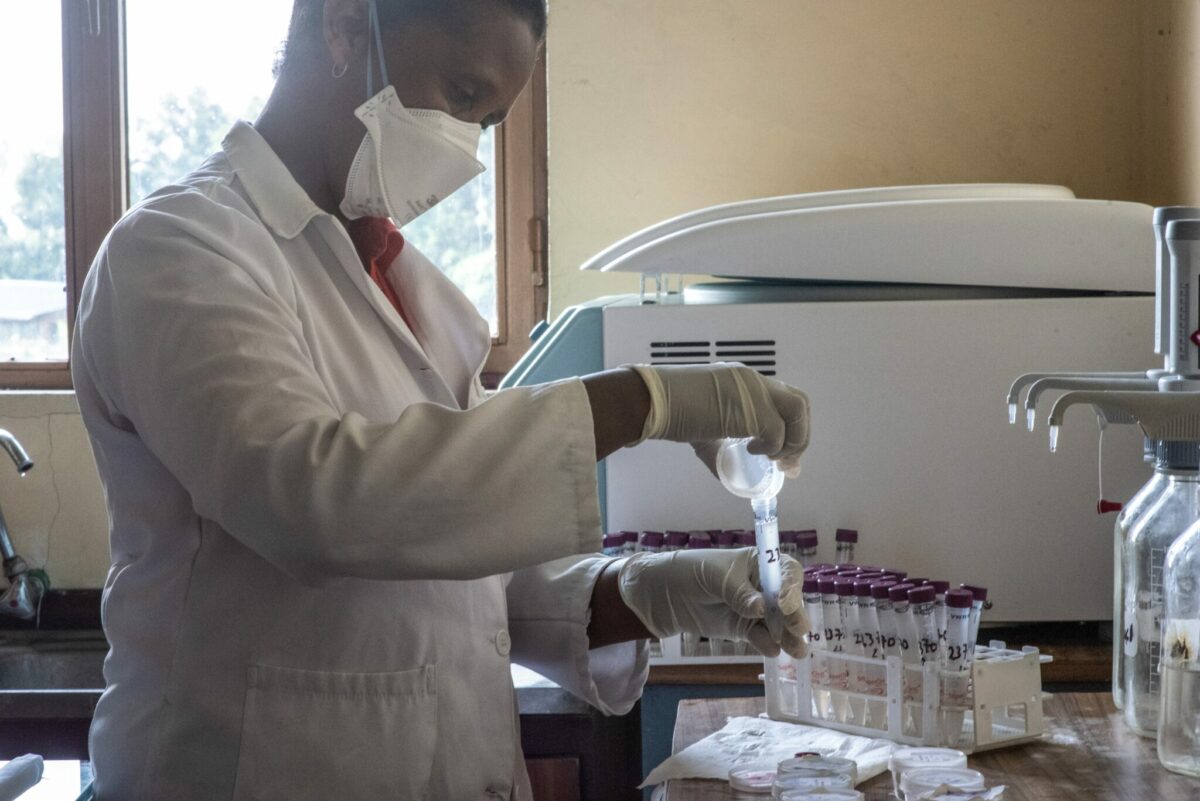
As part of APOPO’s second-line screening model, second sputum samples from these patients were evaluated by trained African giant pouched rats. An average of five rats assessed each sample, and a sample was considered rat-positive if it was indicated by at least one rat. Samples flagged as rat-positive were examined using concentrated Ziehl-Neelsen microscopy.
The clinicians responsible for diagnosing and treating patients did not know which samples had been flagged by the rats. This separation ensured that diagnosis and treatment decisions were based on standard clinical assessment rather than the rats’ findings, allowing the study to examine whether rat-positive results were associated with clinical outcomes without influencing those decisions.
Main findings of the study
Of the 2,401 patients included, 1,031 were rat-positive and 1,370 were rat-negative. Among rat-positive patients, a minority were confirmed bacteriologically through concentrated microscopy. The majority remained bacteriologically negative, reflecting the diagnostic challenge faced by this patient group.
When clinical outcomes were compared, a clear difference emerged for pulmonary TB. Twelve percent of rat-positive patients were clinically diagnosed and treated for pulmonary TB, compared with nine percent of rat-negative patients. This difference was statistically significant, corresponding to an odds ratio of 1.39 (95% confidence interval: 1.05–1.84). No difference was observed between rat-positive and rat-negative patients in rates of extrapulmonary TB diagnosis, indicating that the association was specific to pulmonary disease.
Because clinicians were unaware of the rats’ results, the findings reflect an association between rat-positivity and clinical diagnosis rather than any direct effect on clinical decision-making.
Interpreting the findings in practice
Dr. Soka emphasizes that the 39 percent figure refers specifically to clinical diagnosis and empirical treatment, meaning treatment initiated without bacteriological laboratory confirmation, in patients who initially tested negative using routine diagnostics.
“This study shows that rat-positive patients were more likely to be clinically diagnosed and treated for pulmonary TB than rat-negative patients, even though clinicians did not have access to the rats’ results,” said Dr. Joseph Soka. “The findings show that rat detection, used as a second-line screening method, helps identify patients who are more likely to require clinical assessment and treatment when routine tests are inconclusive.”
The study also helps explain why the difference between rat-positive and rat-negative patients is meaningful without being larger. Among all rat-positive samples, only a subset were confirmed through additional laboratory testing, while others were not. This reflects the intended role of rat detection as a screening and prioritization tool rather than a confirmatory diagnostic method.

Implications for APOPO’s TB detection approach
TB programs continue to face major challenges in diagnosing patients who test negative using routine laboratory methods. These patients often require additional assessment and may experience delays before treatment begins.
The study’s findings suggest that APOPO’s rats provide useful information at a critical point in the diagnostic pathway. By identifying patients who are more likely to later be clinically diagnosed with pulmonary TB, rat detection may help prioritize individuals for closer clinical evaluation or additional testing, particularly in settings with limited laboratory capacity.
The authors noted that combining rat detection with more sensitive confirmatory diagnostics could further strengthen TB diagnosis where resources allow. Within this context, the study supports APOPO’s approach as a complementary tool that adds value alongside existing diagnostic methods. By linking rat-positive results to clinical diagnosis and treatment, this research strengthens APOPO’s scientific evidence base and its relevance to real-world TB care.